The Cutprice Guignol

The Ninth Year: The Haunting of Swill House

In Two Minds: Bisexuality and Pop Culture

Last year, during the New York Pride Week preparations, three people- Johnathan Groff, Laverne Cox, and Lea Carey- were announced as representatives. And it wasn’t until Faith Cheltenham, prominent bisexual activist, wrote an op-ed and pushed forward a petition that everyone noticed a disturbing oversight- there were no bisexual representatives selected as part of Pride 2014.

And NYC Pride isn’t the only place where bisexuals have found themselves pushed to the sidelines. Earlier this year, the Williams institute released a paper identifying around 1454824 (0.6%) members of the adult population of the USA as bisexual. Despite these numbers, the representation of bisexual people in the media remains at a depressing low.

To clear something up: I’d be trying to be exactly like Catherine Trammel whether or not she was bisexual. Because those LEGS.

While lesbian and gay characters have slowly but surely gained a place amongst the casts of mainstream television shows and in movies, bisexual characters remain thin on the ground. While many characters will find themselves attracted to more than one character throughout the course of their screentime, many will simply identify as gay or straight, as opposed to considering the possibility of bisexuality- take landmark LGBT character Willow Rosenburg from Buffy. Initially shown to be romantically attracted to men, she engages in an important relationship with another woman, and from then on describes herself as a lesbian- even though the admits to still finding men attractive. There’s no problem with her and her partner Tara being gay, but it seems odd that this possibility wasn’t even considered by any characters on the show.

Really, this post is an excuse to have lots of lovely pictures of men kissing men. Incidentally, this was the best and most realistic first kiss Glee has done in it’s entire run so far.

When a prominent gay character on Glee, Blaine, considered the possibility that he might be bisexual after enjoying a kiss with a woman, he is told that “Bisexual is a lie gay guys tell in high school to hold hands with girls in the corridor so they can feel normal for a change” (I wrote a whole, massive article on the biphobia and transphobia Glee was guilty of in it’s early seasons; read it here). Sex and the City, considered a vital part of the definition of the modern sexual woman in the media, had their lead character admitting that she didn’t believe bisexuality even existed, describing it as a “layover on the way to gaytown” when she encountered a bisexual guy. Finding any kind of representation of bisexual characters is difficult enough, when even sex-positive and progressive shows continually wave it away with jokes, mistruths, and shaming.

Fuck you, Bradshaw.

But there are indeed bisexual characters on television. Even bisexual characters who openly call themselves bisexual. But their representation is often problematic. Cult pop culture website TV Tropes- which archives thousands of clichés in film, television, and across other mediums- does a great line in identifying the irritating number of negative platitudes often attached to bisexual characters- promiscuous, evil, manipulative, sociopathic, dishonest, or any combination of the above. Sharon Stone in Basic Instinct played a serial-killing, promiscuous vixen who used sex as a way to get what she wanted, while any number of American teen soaps have female characters indulging in what TV Tropes affectionately refers to as a Sweeps Week Lesbian Kiss to pull in more viewers. And bisexual men are one of the most woefully under-represented groups on television. If they exist at all, it’s often as characters totally removed from anything resembling a modern, vaguely realistic world- take Ragnar Lothbrok from Vikings, the vampire Eric Northman from True Blood, or Oberyn Martell from Game of Thrones, all of whom exist in the vacumn of either fantasy or history. Some male bisexual characters do make it through, but they’re rarely too groundbreaking- Captain Jack Harkness from Torchwood (below, with loves interest Ianto Jones) is an alien who actually identifies as “omnisexual”, while Frank Underwood from House of Cards is a cruel psychopath. It seems that bisexual characters can either be lavicious fantasies or manipulative sociopaths- and those that do exist as strong, nuanced characters rarely do so in anything resembling our world.

The name for this ship is “Janto Jorkness”, which thrills me almost as much as this sexy as fuck picture.

So, we’ve established that bisexual characters don’t earn great representation in pop culture Why? There’s a term, bierasure, that puts the lack of bisexual representation in the media and beyond down to the fact that they uncomfortably straddle two groups who are often positioned at odds with each other- that is, gay people and straight people. They often find themselves placed outside both groups and treated with suspicion by both- not straight enough to be straight and not gay enough to be gay, they find themselves landed with monikers like “greedy”, “in denial”, or “lying”. That’s why it’s important for the media to reflect the truth of bisexuality-that it does not define anything other than who that particular person is attracted to.

Man, I need to re-watch The L Word.

Too often, bisexuality on TV and in film is shown as a choice, as a dalliance, as a fantasy. It’s the “safe” way to portray gay characters- writers and directors can pat themselves on the back for LGBT representation, and then land their character of choice with a member of the opposite sex and have them forget about that silly phase almost immediately. There’s an apparent reluctance to identify bisexuals as characters who exist outside of their sexuality (The L Word, which featured confidently bisexual character Alice Piezecki, had her describing bisexuality as “gross” by the end of the show),
as people who’s only separation from other characters is the fact that they’re attracted to men and women. The only thing that the label of bisexuality confirms is that the subject is, believe it or not, bisexual- not that they’re more likely to be be evil, promiscous, or cheat on their partners (whatever gender they might be). There’s a temptation to focus on a bisexual character’s sexuality over anything else because so few of them exist on television, but the best thing that the media could do is to create interesting, layered, prominent  characters who’s sexuality is an aspect, and not the focus, of their existence

Should Television Have Trigger Warnings?

So, I’ve  been catching up on The Walking Dead  recently (specifically,  to write satirical scripts for this awesome site, which are crazy-fun  to write  and hopefully slightly entertaining to everyone else, please check it out). And I was watching the second-to-most recent episode yesterday,  when a certain scene made me cock  my head a little. Without spoiling anything, a character who has suffered a recent loss feels numb, and pushes a lit cigarette into their hand in reasonably graphic detail. My first reaction – after a series of “URGH-WHA-EEUGH-SHHHUU” – was to pause the video and go and play with my cat for a few minutes. Why? Because I found it a little bit triggering. I’ve written about my continuing struggle with self-harm on this blog and, while this scene didn’t actually cause me to do anything untoward, it did make a small bit of my brain to go “hey, we haven’t done that for a while, maybe we should-” until I could shut it up by making my kitten chase after the string on my pocketwatch. And it got me thinking: should TV come with a trigger warning?

I’m filling this post with pictures of adorable kittens to counteract any potentially upsetting material! Look at this wee fucker!

Firstly, what the hell is a trigger warning? Basically, it’s a bit of netiquette that’s arisen for use in online articles, blog posts, and various other outlets to let potential viewers know that what they’re going to see or read might cause them to relive some painful or difficult emotions (the most common are for rape, sexual abuse, depression, suicide, and other mental health problems). In a lot of ways, it makes perfect sense: my Mum doesn’t like really violent films (unless Scorcese directed them), so showing her The Texas Chainsaw Massacre without first telling her that there’s loads of graphic violence in it would probably make her pretty upset (by which I mean, furious). Unfortunately, until there’s a trigger warning for Ben Affleck movies, my needs go unmet, but surely there’s no harm in flagging up topics that some people might not want to think about or be reminded of?

But there are a lot of people who think that trigger warnings actually patronise those who might be upset by the content their watching. And I can see that side too: I’d be really annoyed if someone told me that I shouldn’t watch something because I might find it triggering, because no-one except me has any idea what I find triggering (Christ, the most triggered I’ve ever been was watching an episode of Glee that depicted someone preparing for a suicide attempt, and not their cover of MCR like you might imagine). But I’ve discouraged close friends from watching certain films and TV shows because they reflect things that I know they would rather not be reminded of. There’s a very thin line between dictating what someone can and can’t cope with, and suggesting that certain people avoid certain films, movies, books, or articles because they might put them in a seriously upsetting place that they have no control over.

I just Googled “kittens cute as fuck” and this little charmer came up. Look at his tiny little face! Look at it!

So, where do TV shows fit into all of this? How do you warn people, in this age where spoilers are the ultimate crime, that there might be triggering material in this episode? As most shows that depict graphic rape, self-harm, or in-depth explorations of mental health are aimed at adults, some people argue that those who don’t want to risk getting triggered should either suck it up or avoid these shows altogether. And I can see why: we’re all grown-ups here, and if that means I have to sit in the bathroom and cry for twenty minutes before I carry on with this immensely upsetting episode of American Horror Story, that’s my choice. Nobody is holding me at gunpoint and making me watch this stuff, and, if I find it upsetting, I can always check out and watch something lighter. Watching adult TV means dealing with adult themes, and if those themes- like rape and suicide- are dealt with in a mature, honest, and emotionally resonant way, then I think there would be something a bit wrong with me if I wasn’t a bit discomforted by it.

LOOK AT THIS ONE’S GRUMPY LITTLE FACE I WANT IT I WANT IT SO MUCH

But I think the problem arises from shows which sneak up behind you and spring something potentially disturbing, like The Walking Dead. That might sound ridiculous considering the constant light drizzle of blood spatters and emotional character deaths, but these are things I’ve come to expect from the show having watched it for five seasons (despite a suicide attempt in season two, which-and I hate to admit this- had no affect on me at all because I had no emotional attachment to the character and her motivations so differed from anything I had experienced). I didn’t expect to see a pretty graphic depiction of self-harm thrown at me out of nowhere, committed by a character I like very much and whose reasoning I could relate to, and it triggered me.

So, should television have trigger warnings? It’s a tough question, because there’s a danger of every Hannibal episode starting with a disclaimer that states “DON’T. JUST DON’T”, or otherwise coddling audiences in a way that removes any trust in their own abilities to handle disturbing things in an adult way. But I think that yeah, from time to time, shows that are showing potentially distressing material that’s outwith what they’d normally broadcast could do worse than to give their audiences a chance to prepare themselves and make a decision that they’re comfortable with.

Wonderful; I’ll take a thousand please.

Oh, and this post should probably have come with a trigger warning.

In and Out of the Closet: Bisexuality and Me

This is kind of a weird article for me to write, because a lot of people I know and have known for a long time read this blog, and my sexuality isn’t something I’ve really discussed at length. But I’ve identified as a bisexual since before I knew there was a word for it (and as soon as I realized that no, not all other women want to have sex with other women). There’s been a lot of talk recently about how bisexuals fit into the LGBT community, with bisexual vloggers, bloggers, and various other personalities talking about how they often don’t feel queer enough for the queer community, but are denying part of themselves by playing straight. And don’t get me wrong, I feel that the world could do with switching it’s whole attitude up regarding the way we look at and treat the LGBT+ community. But yeah, I get that “not-queer enough” feeling a lot.

I’ve been out for a long while now, and I’ve never necessarily felt proud about my sexuality. Comfortable in it, yes; grateful that my family and friends couldn’t care less, yes; but proud seems like the wrong word for something that’s inherently a part of me (personal opinion entirely, all power to those LGBT people who do take pride in their gender identity or sexuality). I’ve been in a long-term relationship with my marvellous boyfriend for over two years now, and, whenever the conversation about sexuality or past relationships comes up, I get the head-tilt of “so you’re in an open relationship?” or “haven’t you been dating *insert boyfriend’s name here* for while now?” or, the worst of the worst, “you hooked up with girls? That’s hot” (spectacularly, the first result that comes up if you type “bisexual” into google is “bisexuals don’t exist”, which is a myth I hope to bust by my continuing corporeal form). As an openly and comfortably out bisexual woman, I feel like I’m in and out of the closet, having to justify my sexuality to people by convincing them that my attraction to both genders is legitimate and ongoing because I don’t broadcast my dating history to everyone I meet. I don’t want to feel like I’m playing at being straight or gay depending on who I’m with; I want to be able to be open in my sexuality without justification or qualification.

Dating somebody of one gender doesn’t mean that I’m not still attracted to members of the other. I apologise if this is coming off as whiny or petulant, because these are just things that I’ve had to put up with for the last few years and I’m pretty bored of them and I want to talk about it to see if anyone else feels the same way. And I’m not claiming that these annoyances are in any way equal to the unbelievable discrimination that many members of the LGBT world face every day, but they are an irritation. Because yeah, I do think I’ve had it a lot easier than other non-bisexual members of the LGBT world. But there seems to be a dislike of the idea that, as a grown-ass woman with a flat and a job and a cat and an almost-degree, this might not be a phase, that I might actually, permanently like men and women.

And it’s not that I’ve felt actively pushed away from the LGBT community. It’s just that, until very recently, I didn’t feel like I had a place there, which could be entirely my perception, or my perception of the way I see the LGBT community represented, or something I’ve plucked straight out of the air. I would feel like I was cheating or lying or misrepresenting myself if I turned up to Pride while I was dating a man, even though I identify as that B. Part of me feels like I’m denying some part of my identity by being with my boyfriend, even though I wouldn’t want to be in a relationship with anyone else- man or woman- right now, because I’m in a straight relationship and, to most of the world, there’s nothing queer about me at all. I don’t want to make my sexuality the only thing that matters about me (I think wearing a friendly “Hey, I’m Bisexual, Ask Me About It!” badge is the best route to go down), or deal with that look of bewilderment and sometimes kind of intrusive questions about my dating history (for the last fucking time, you don’t have to have sex to know your sexuality, so, no, it’s none of your business if I’ve had sex with literally every man and woman who’s every walked the earth). But my sexuality is a big, sometimes confusing, ultimately vital part of who I am as a person, and I don’t like the feeling of having to justify it to people. I don’t like hearing that it was probably phase since I’m dating a guy, or that I was doing it for attention, or that I’m young and might change my mind. Yes, my sexuality is fluid and it might change in the years to come; why can’t you handle the label that I’m choosing to give myself right now? The reactions I get from a number of queer and straight people make me feel like I’m faking it, when I know that I’m not. And that doesn’t anger me or upset me, but it frustrates me.

Because I have amazingly liberal family and friends, I have had it much easier than many members of the LGBT world, and that sometimes makes me feel like I don’t have a right to speak up about the ways I’m treated, and the way I see other bisexual people treated (article will be up later this week about bisexual representation on TV). It’s not a coincidence that so many bisexual/pansexual/queer people are talking about how they don’t feel accepted into the LGBT community or the hetereosexual world, and just because we’re perceived to have it easier doesn’t mean everything is always hunky dory.

I don’t entirely know what point I’m trying to make with this blog post, I just know that these things have been niggling at me for a long while and I needed to word-vomit them out in some semblance of sense. I think what I’m trying to say is that, when you deal with a bisexual person in any circumstance, please don’t question it. This is just a thing that’s part of thousands upon thousands of people, who go about their lives every day comfortable in the knowledge that they like men and women. I’m one of them, maybe you are as well. Maybe you’re someone who straight up doesn’t give a fuck about what sexuality someone is and wouldn’t dream of questioning it and if you are, thank you, I love you a little bit more. But these are things that me and people like me have to deal with on a daily basis, online, in person, in pop culture. The world will be a happier place for bisexuals everywhere if we don’t feel the need to prove our queerness to anyone.

Peace, I’m out. In both senses of the phrase.

If you like my work, please consider supporting me on Patreon!

Bitter, Bitter Oscar Predictions

Another year of film floats by, another excuse for me to bitterly rant about the Oscars because I still haven’t been sworn on to the official selection panel (those arrogant pricks). Neil Patrick Harris will host the awards tonight, and if he doesn’t do something at least as good as or better than his opening for the 2013 Tony Awards-

– Then we’ll have final proof that musical theatre is ultimately a more worthwhile medium than film. But anyway, I have a big fuckton of OPINIONS to drop on your heads, so let’s take a look at what’s going to happen at the Oscars tonight, versus what I actually want to happen.

Best Picture

American Sniper

Birdman

Boyhood

The Grand Budapest Hotel

The Imitation Game

Selma

The Theory of Everything

Whiplash

Notes: It’s really odd that Selma has appeared in the best picture category but not been nominated for actor, actress, screenplay, or director. Surely you can’t be the best movie without having the best something else too? Who cares, it’s the only one of this list directed by a woman (Represent, Ava DuVernay).

THEY USED A SPEECH FROM MACBETH IN THIS MOVIE THAT I HAVE TACKED TO MY BEDROOM MIRROR AAAAEEEUUUUURRRRGGGHHH

What should win: Birdman. There’s no question that Birdman is the most original, zeitgeist-riding, ambitious and intelligent movie on this list, and I cannot implore you enough to see it. It’s skewering of the industry, however, might not go down so well, and I’d settle for Grand Budapest Hotel if not, because there’s lots going on under the surface of the seemingly straightforward caper.

What will win: Boyhood. In something I’ve dubbed The Scorcese Effect, directors and actors receive worship from the Academy just because the Academy realized they should have worshipped them long before now (because if you really think The Departed- which Scorcese got his Oscar for- was better than Goodfellas you can go back and snuggle down in front of your My Little Pojny DVDs). Linklater probably does deserve an Oscar for this, but I find the very thought of this movie enough to send me into a comatose state. I am horrified to consider the thought that American Sniper might get this, though.

Best Director

Wes Anderson, The Grand Budapest Hotel

Alejandro G Inarritu, Birdman

Richard Linklater, Boyhood

Bennett Miller, Foxcatcher

Morten Tyldum, The Imitation Game

Notes: I feel like Grand Budapest was out at least ten years ago.

Go and watch Innaritu’s transcendent Amores Perros though. DO IT.

What should win: Probably Inarritu, because his direction was stridently, seriously stylish and Hitchcockian in it’s ingeniousness. I think it’s going to be all or nothing for Birdman, so if this doesn’t get best picture I’ll pick out Bennet Miller for the stunning, slow-burning Foxcatcher.

What will win: Richard Linklater. See above. I’ve got to add that I’m stunned to see the wildly average The Imitation Game and Theory of Everything nominated for so much, and I sincerely hope they don’t do that well in the face of some genuinely boundary-pushing cinema.

Best Actor

Steve Carell, Foxcatcher

Bradley Cooper, American Sniper

Benedict Cumberbatch, The Imitation Game

Michael Keaton, Birdman

Eddie Redmayne, The Theory of Everything

Notes: If Bradley Cooper wins this- and I say this as a sworn-in Bradley Cooper enthusiast- I’m going to be somewhere between thoroughly unimpressed and fully murderous, depending on how far this comes into the ceremony and how much wine has been drunk.

I’ll admit that the first time he walked on screen in Nightcrawler my heart exploded. Because pretty>evil. Because I am a flawed person.

Who should win: Jake Gyllenhal. BECAUSE NIGHTCRAWLER WAS A SENSATIONAL PERFORMANCE AND WHOEVER MADE THE DESICION TO COMPLETELY IGNORE IT IN FAVOUR OF THE THEORY OF NOTHING AND THE IMITATION OF A GOOD MOVIE CAN ROT IN AN OVERWROUGHT, OVER-DRAMATIC VERSION OF HELL URGH FUCK THE ACADEMY. Would also be okay seeing Keaton win, typecast as he was- it was a screen-dominating performance. Steve Carrel would be fine too, but he’s got plenty more movies in him to pick up an award yet.

Who will win: Eddie Remayne. He was decent, don’t get me wrong, but the whole movie was just a bit above average and his performance was just okay. It seems that people got confused over Stephen Hawking being a fascinating, compellingly interesting man and a film about him being good by default.

Best Actress

Marion Cotillard, Two Days, One Night

Felicity Jones, The Theory of Everything

Julianne Moore, Still Alice

Rosamund Pike, Gone Girl

Reese Witherspoon, Wild

Notes: I went to high school with Felicity Jones’ half-sister.

If looks could kill, I’d be going down on Rosamund Pike right now. Wait, what?

Who should win: ROSAMUND PIKE, BECAUSE FEMALE VILLAINS ARE EXCELLENT TOO. Next.

Who will win: Julianne Moore, as per the Scorcese Effect (although I have no doubt she was brilliant in a movie that I find to profoundly upsetting to think about seeing).

Best Supporting Actor

Robert Duvall, The Judge

Ethan Hawke, Boyhood

Edward Norton, Birdman

Mark Ruffalo, Foxcatcher

JK Simmons, Whiplash

Notes: Hold the fuck up, Robert Duvall was nominated for an Oscar?!

This look like a publicity shot from a shit new sitcom to anyone else?

Who should win: Again, although he was typecast as a moody, difficult character actor, Ed Norton did an amazing job in Birdman. Mark Ruffalo was also great in Foxcatcher, though it seems like the kind of role he could do in his sleep.

Who will win: JK Simmons. Yeah, alright- he probably deserves this by now.

Best Supporting Actress

Patricia Arquette, Boyhood

Laura Dern, Wild

Keira Knightley, The Imitation Game

Emma Stone, Birdman

Meryl Streep, Into the Woods

Notes:  I’d be surprised and unsurprised to see Meryl Streep win, partly because I think the Academy is contractually obliged to nominate for something every single year. I guarantee she’s been up for editing and sound design a few times, just to hold up their end of the bargain.

Rene Russo withers the testicles of the Academy with one glance.

Who should win: Rene Russo for Nightcrawler. HOW DARE YOU OVERLOOK SUCH A POWERFUL AND MATURE PERFORMANCE ACADEMY YOU WOULDN’T KNOW REAL ART IF IT CAME UP AND KNEED YOU IN THE BALLS AS HARD AS I’M PLANNING TO DO YOU PIECES OF SH-

Who will win: Ech, probably Laura Dern. Nice to see Emma Stone get a nomination, but there were better supporting actresses in that movie.

Best Original Screenplay

American Sniper

The Imitation Game

Inherent Vice

The Theory of Everything

Whiplash

I mean I just don’t get the fuss about this movie.

What should win: Whiplash. Just tight and well-written in this pretty bad-to-average lot of movies.

What will win: Urgh, probably The Theory of Everything Wrong with Academy-Baiting Movies.

Best Original Screenplay

Birdman

Boyhood

Foxcatcher

The Grand Budapest Hotel

Not enough actual crawling through the night for the literal-minded Academy.

What should win: NIGHTCRAWLER NIGHTCRAWLER NIGHTCRAWLER NIGHTCRAWLER NIGHTCRAWLER NIGHTCR-

What will win: Honestly, this is a good bunch. Out of the favourites I’m pulling for Birdman, but Boyhood is more ambitious and far more worthy.

Best Animated Feature

Big Hero 6

The Boxtrolls

How to Train Your Dragon 2

Song of the Sea

The Tale of Princess Kaguya

The Lego Movie, or “This Is Still Better Than the Last Three Films Liam Neeson Starred In”

What should win: What in the name of all that is good and chesty is The Lego Movie not doing here? Hilarious, touching, exciting, and innovatively animated, it’s beyond a disgrace that this hasn’t even had a nod.

What will win: Big Hero 6. No notes. It’s a great film. There’s just no Lego Batman in it.

And that’s me at the end of the list of things I can legitimately have an opinion on. Join me on Twitter tonight for a live-tweet of the ceremony as long as I can be fucked to stay awake, and again the next morning for copious drinking/rending of garments over the results. Be there, or be anywhere else. Send an ambulance if American Sniper wins.

What Should You Expect from Game of Thrones Season 5?

Some thoughts for the GoT fans on my Facebook.

Fifty Shades of Grey Recaps: Chapter Ten

Well, another day, another argument about Fifty Shades of Grey on Twitter where I’m accused on exploiting women because I have a pun about boobs in my Twitter bio. I swear I’m just running on fumes, tea, and pure hatred for this book, so hopefully these recaps will become a bit more frequent because there’s some spectaculary awful stuff coming up in the next couple of chapters. We left off with Ana and Christian having the sexiest of sexy times at the end of the last chapter, only for his mother to arrive at his place unannounced.

Christian leaps out of Ana’s vagina, and demands that she get dressed because he wants her to meet his mother-“I expect you in that room in five minutes, otherwise I’ll come in here and drag you out in whatever you’re wearing”- because, and say it with me now, CHRISTIAN GREY DOESN’T UNDERSTAND THAT OTHER PEOPLE HAVE FEELINGS TOO. Ana gets dressed, and spends a paragraph dealing with her “just-fucked pigtails”, which, you know, obviously means this:

After she puts on a pair of his boxers, she wonders if she SHOULD take him up on his offer of clean clothes, while her subconcious calls her a ho. She’s already wearing his clothes, and why the fuck does wearing someone else’s clothes make you a ho? I went to Tescos in my boyfriend’s shirt last week because it’s warm and quick to put on, was everyone eyeing me nervously in the aisles and wondering just how many cock I’d sucked that morning? Well, probably, yes, but that’s more to do with my jolly “Ask Me How Many Penises I’ve Had In My Mouth Today” badge, not because of a comfy shirt.

Jenna Marbles is maybe my biggest internet crush. I’d wife the hell out of her.

So Ana goes out to meet Christian’s mother, Dr Grace Trevelyan-Grey (no, really), and is embarrassed about what a mess she looks compared to her, because Ana’s favourite pastime is comparing herself favourably to women she doesn’t respect, and unfavourably to women she does. Sigh.

After some small talk, Ana gets a phone call, and it’s from Jose, demanding to know why she hasn’t returned his calls after he tried to forcibly kiss her several times the week before. I mean, for fuck’s sake- Jose only had to be less awful than Christian, a job about as difficult as writing a romance more convincing than Twilight. But EL James and Jose missed their mark, and I’ve begun pulling my hair out strand by strand as a comfort.

I mean, I think this is just relevant in any of my articles, or indeed any moment of my life, because this both applies to me and I am at least as hot as Naya Rivera. Shut up, you don’t know me.

Hey, you know what I’ve been doing this week? I’ve been looking at the warning signs for an abusive relationship, ust to familairise myself with them when I’m attempted to pull the organs out of this book. So lets have a look at the next couple of pages with the help of helpguide.org, which provides information to better understand and end domestic abuse. Christian asks Ana if it was “the photographer” who called her.

“Christian glares at me.

“So the photographer called?”

Crap.

“Yes.”

“What did he want?”

“Just to apologise, you know, for Friday”

Christian narrows his eyes.

“I see” he says simply.”

Between Mark Ruffalo and Ed Norton, The Hulk has had insanely good luck with casting.

Now, on it’s own, that passage is infuriating- why is Ana internally freaking out when she did nothing to encourage a call and, you know, has every right to talk to whoever she wants? But on the next page, after Christian tells her to do some research about BDSM online and it’s revealed that Ana doesn’t have a computer like all graduating university students ever, there’s this:

“”I’ll just make a call,” I murmur. I just want to hear Kate’s voice. He frowns.

“The photographer?” His jaw clenches and his eyes burn. I blink at him. “I don’t like to share, Miss Steele. Remember that.” His quiet, chilling tone is a warning and with one, cold look at me, he heads back to the bedroom.

Holy crap. I just wanted to call Kate. I want to call after him, but his sudden aloofness has left me paralyzed. What happened to the generous, relaxed, smiling man who was making love to me not half an hour ago?”

It is always time for Nelsan Ellis as Lafayette Reynolds in True Blood. Tip yo’ waitress.

Now let’s take a look at the list of warning signs for abuse and tick off what applies to this segment.

1. Do you feel afraid of your partner much of the time?

Ana describes his tone as “chilling” and exclaims “crap!” when she realizes Christian is going to ask her about Jose calling, an event which she has no control over. Maybe a bit of a push, but not what you’d look for in a romantic hero.

2. Does your partner have a bad and unpredictable temper?

The last sentence details Ana’s confusion over how quickly he went from making love to her to “warning” her for talking to another man then storming off.
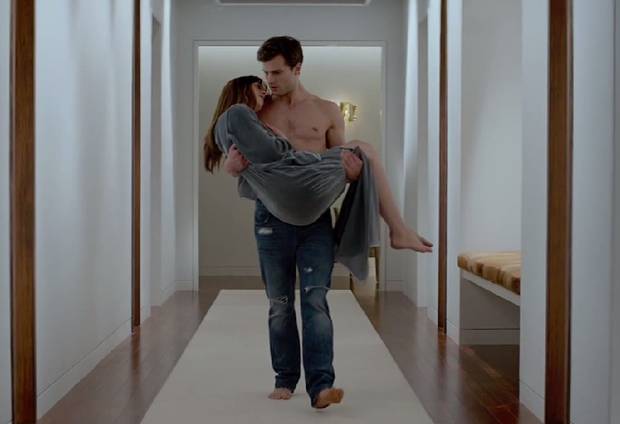
3. Does your partner act excessively jealous and possessiveness?

Yes, next.

4. Does your partner keep you from seeing friends or family?
Christian has basically told Ana he doesn’t want her to see Jose, and expressed anger over her imagine desire to talk to him.

5. Does your partner see you as property or a sex object, rather than as a person?

Well, he just told Ana he doesn’t like to share, implying that he doesn’t want Jose dirtying up his precious sex toy. So yeah, I think we can go with posession.

6. Do you feel emotionally numb or helpless?

Ana says she wants to go after him, but is “paralyzed”. So yes, this fits.

That’s SIX REASONS THIS IS AN ABUSIVE RELATIONSHIP IN TWO PAGES. So when those Fifty Shades fans come crawling out of the woodwork and demand proof or a section in the book which promotes abuse and doesn’t question it as a bad thing, here’s one I didn’t even have to look for. Stop saying this book is not about abuse, because you are quantifiably wrong.

Christian and Ana get in the lift so he can drive her home, and Ana bemoans the fact that she can’t talk to Kate about sex, and that Christian is impossible to get help out of because he’s “open one minute and standoffish the next”, because of course this is how healthy BDSM relationships work. Christian grudgingly accepts that Ana can talk to Kate about sex, as long as she doesn’t say anything to Elliot (Christian’s brother, who she’s dating). Ana gets defensive of Kate in her head, even though we all know Kate is a total bitchwhore who enjoys sex and is pretty but isn’t half as amazing as virginal, sweet Ana, and then Ana got the lead in the school musical and kissed the shy basketball player who’d loved her all along. I think.

I was in a high school production of High School Musical. I played no-one of any important, because I sing like a duck swallowing a cricket bat.

Christian drives Ana about a bit in his fancy car while they wear baseball caps and listen to Springsteen (“Gotta love Bruce”, offhands Christian and I crush all my Springsteen CDs to dust). He asks if she’s hungry, (she is hungry…but not for food. No, seriously that’s the line), she says no and he frowns and says he’s taking her out for dinner anyway, at the place of his choice (does your partner control where you are or what you do?).

They arrive at the restaurant, and Christian orders them both wine. When Ana says she wants a coke, he tells her that she’s having the wine anyway (does your partner ignore or put down your opinions?). He tells her his mother liked her (probably because she’s delighted there’s someone about to keep Christian away from the family home long enough for them to change the locks and pretend they’d never met him before). They begin discussing his sexual preferences, because God forbid Ana should talk to Kate about it when they can discuss it loudly in a popular local restaurant. Then this bombshell happens:

“”One of my mother’s friends seduced me when I was fifteen”

Holy crap, that’s young!”

HOLD THE FUCK UP. That’s not just young, Ana: that’s statutory fucking rape. That’s against the law as well as being wildly immoral. That person, who “seduced” him? She’s a rapist. A RAPIST. Christian goes on to describe how his seducer molestor continued a sexual relationship with him as a submissive for six years, and they remain very good friends to this day. I’m going to come back to this later in the recaps, but this is horrible, doubly so because James won’t name it as what it is: rape.

There’s some stupid back and forth over Ana not eating, and Christian explains some more details of the contract and that he’s had fifteen other submissives in the past (all of whom are definitely buried in the garden of the Grey estate). Ana comments for the third time in the chapter that she can’t get a handle on Christian’s ever-changing moods. He takes her back to her place, and Kate immediately starts asking her about what’s been going on in the last few days. Ana rolls her eyes internally, because Kate is a filthy bitch. Kate talks about her first time when it becomes clear that Ana had sex with- and enjoyed having sex with- Christian.

“He was rough. I wasn’t ready. We were both drunk You know-typical teenage post-prom disaster…I was too young. You were right to wait.”

YES BECAUSE EVERYONE WHO HAD SEX BEFORE ANA IS A DIRTY SLUT WHO HAS IRRESPONSIBLE SEX IN HIGH SCHOOL URGH. Outside of some very clear cases, there is no “right” or “wrong” time, there is no “right” or “wrong” person, virginity is a societal construct, and it sucks that Kate had a bad first experience but it doesn’t mean that the author has to shoehorn it in to show that everything Ana does is RIGHT. Oh, and if we’re talking about “rough”? Let’s remember when Grey “ripped through” her “virginity” only a couple of chapters ago (that still makes me clamp my legs together on impulse). Jose calls again, and shouts down the phone about how Ana’s got to forgive him for sexually assaulting her. She does. Look, just slam the fucking phone down, kick Jose and Christian to the curb, and run off to Lesbos with Kate. I would read that story. I will write that story. I will fanfiction this fanfiction.
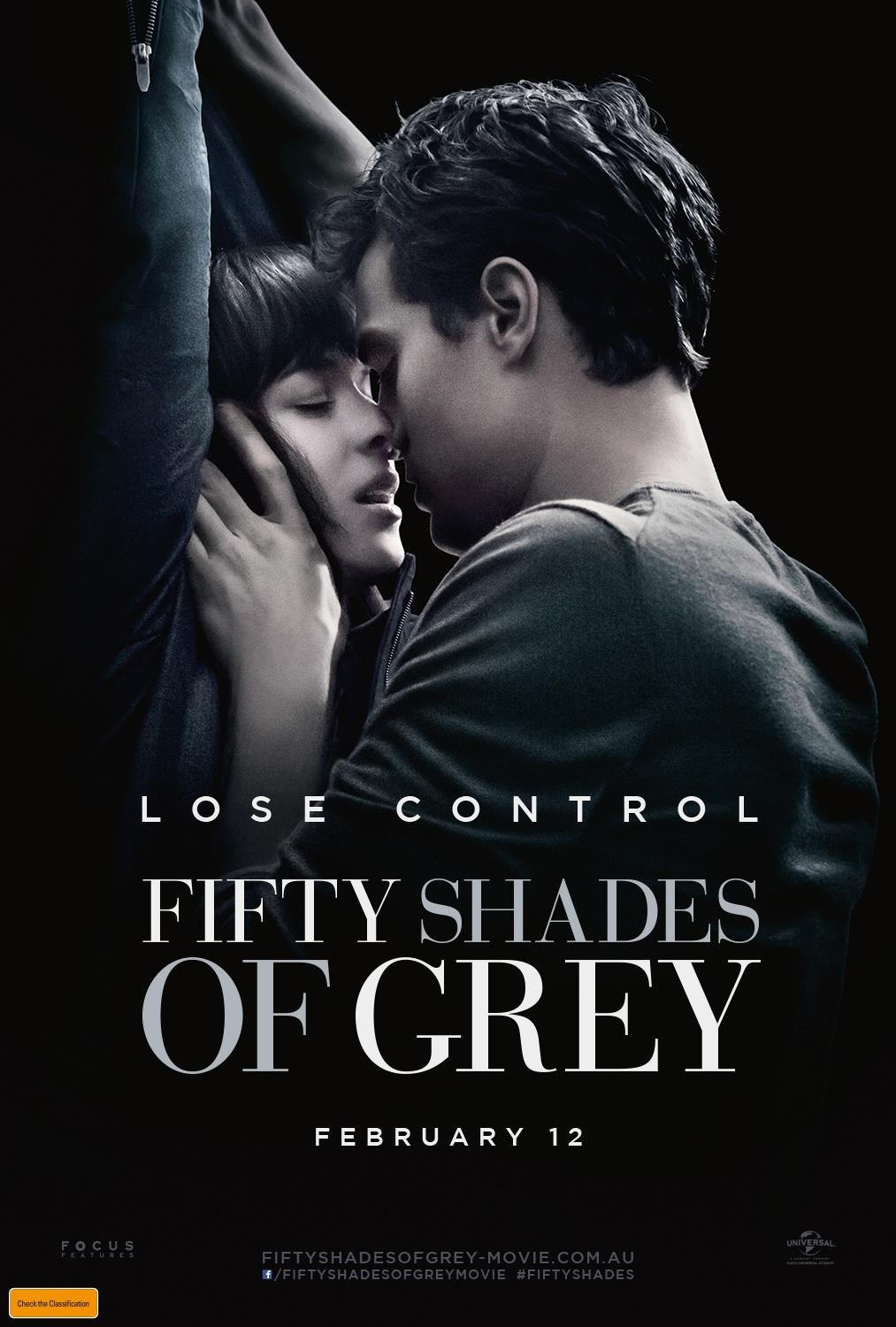
Ana cooks dinner for them and comments on how nice it is to eat an unhurried, un-pestered meal for once because love is someone hovering over your shoulder and huffing at you till you eat your vegetables, dammit. As Kate goes off to talk to Elliot, Ana braces herself and….looks at the sex contract he’s given her.

Kill me.

Everything Wrong with This Month’s Issue of Cosmo

Ah, Cosmo. You’ve been with me since I was in my early teens. You told me that men like having their nipples licked and their testicles “jiggled like dice” during sex. You told me I should try a two-tone lip! I wrote furiously about you three years ago and I stand by everything I said. And you know what: you’ve got better in the last year. I generally buy you with a burning guilt inside, but recently you’ve stretched your boundaries a bit, with the editor’s letter this week about the importance of young women engaging with the upcoming general election, an article about LGBT issues, and a kind of glossy sense of feminism running throughout. So well done for that. But you’re not done yet. Let’s talk about what you need to really reflect that “fun, fearless women” label you’ve so generously landed yourselves with.

1. The Fashion Stuff

Look, I like fashion. Clothes are an important way of expressing who you are, and I’ve got no problem with the pages Cosmo dedicates to pictures of cool dresses or coats or boots or whatever, even if it’s not really what I buy the magazine for. But you cannot have a piece praising a woman as a “crusader” for creating clothes for larger women, and featuring size 16 women on catwalks, and then have this parade of conventionally beautiful, young, slim women on your fashion spreads. Take a look at the three female models featured in this month’s issue-

LOUISE - WIN_20150217_180819

LOUISE - WIN_20150217_180735

Apologies for my peering maw in the corner of these pictures.

Apologies for my peering maw in the corner of these pictures.

This is something that has always baffled me- and it’s not because I think thin women shouldn’t feature in their fashion pages, but rather because it would be so damn simple to stick women with different body shapes in their at (presumably) no extra cost. They’re undermining their own positive message in a way that’s so obvious and so easy to fix. Later in the magazine, an article discusses how and why women judge each other’s bodies so often, while they eliminate anyone who isn’t youthful, skinny, and beautiful from their pages. Come on now.

2. The Other Models

I went through the rest of the magazine to look at the pictures that are used to illustrate the articles-I assume a lot of them are stock pictures, but whatever they are, they’re there to add a bit of colour to the writing. But guess what- outside of the Cosmo Promotes pages and pictures of columnists or subjects, the only pictures of people used to illustrate the pieces were of young, slim, conventionally attractive, predominately blonde, and almost entirely white women. This is another thing that’s just so bloody easy to fix, so I just don’t understand why nobody’s noticed this yet.

3. Thier Big Interview

Every month, Cosmo features a famous female on the front page of their magazine. promising an in-depth interview with her inside. Now, I often skip these sections because I find reading interviews with people I don’t know a lot about pretty dull, but this week I read it. It was with Emma Willis, who’s a pretty successful TV presenter. The hookline on the front cover was “INSIDE EMMA’S MARRIAGE: THE DAY MATT FEARED HE’D LOST TRUST IN HER” and the interview inside- which spans two full pages- has just one paragraph focused on her career. Much of the rest is focused on how she supports her husband, Matt Willis, of McBusted, A lengthy part of the interview recounts a time when her husband and his band called Emma when she was live on Radio 1 and told her they had been offered a trip to America, and she needed to make a decision about it right now. She was devastated, and hung up and burst into tears. But it’s okay because “the other lads and wives (because they have no other notable life attributes other than being married to a slightly famous person, right?) thought she was brilliant” and “it’s really cruel but that’s what makes it so good to listen to”. If Cosmo really wants to promote “fun fearless women” as it declares on the spine of every copy, the interviews should be focused on the achievements and struggles of these successful professional women they’re interviewing, not on how their husbands made a shit joke one time but it’s fine now. They do interview women about their careers in other sections of the magazine, but fail to extract any genuinely interesting insight from their celebrity guests. If I’m buying this magazine because Emma Willis is on the front cover, I want to read an interview about Emma Willis- if some of that touches on her family life, great, but there simply should be more on her substantial achievements in a highly competitive field too.

4. FUCK OFF WITH FIFTY SHADES

I hate bringing it up again, but not only does this issue feature a full-page ad for the movie, it has a two-page article about how Fifty Shades has affected our sex lives, some of which is pretty interesting, including the interpretation of BDSM from a feminist perspective, and a short space-filler about things you didn’t know about the series. But, aside from a small pull-out section which acts as a sorry excuse for lip service, they don’t touch on the problematic, abusive elements in the book that have been romanticised. Considering the number of abuse survivors- who Cosmo claims to support- who’ve spoken out about how the book romanticises abuse, you’d think they’d put some real time and effort into discussing it.

5. Sex is Only for Straight People

As someone who’s had sex with women, I had to teach myself how to do it safely (and I’m not just talking about snapping an ankle while scissoring). There’s a woeful lack of sex education for LGBT people in schools, and Cosmo would be doing some readers a service by talking about how to have safe, brilliant sex with people of your own gender. But nope, the sex tips are still basically outrightly aimed at straight people. Sort it.

Cosmo, you’re trying. And, as one of the most widely recognisable women’s magazines in the world, I appreciate it. But you’ve got a long way to go yet.

How Do You Make A Non-Sexist TV Show?

I write a lot about sexism in TV shows. And I’ll tell you why: it’s because there’s a shocking amount of sexism in TV shows. I don’t spend my entire life, eagle-eyed, looking out for terrible representations of women; I just watch a shit-ton of TV and can’t turn off the feminist inside me who’s pretty reasonably explaining to me why these things are kind of offensive. And I get asked a lot what it would take for me to find a TV totally inoffensive on the sexism front. Well, I’ve been thinking long and hard about this, and here’s my attempt at answering that question, with a few questions of my own.

1. Have You Presented Either Gender’s Sexuality as Dangerous, Manipulative, or Deceptive?

Positive representations of sexuality give Gael Garcia Bernal the horn.

Think about it: I can’t bring to mind many TV shows in the last ten years or so in which no-one-usually a woman- uses their sexuality in a deceitful way. And look, sexuality is a really complex thing, and there are a minority of people who do use their sexuality, not as expression of sexual attraction or personal pleasure, but as a weapon. The problem with showing that on TV is when you don’t provide an alternative view. Sure, show some people who use their sexuality in a manipulative way, because sexuality is an important and powerful thing, but don’t make that the be-all and end-all of your depiction of sexual expression.

Bad Example: Game of Thrones. Basically any expression of female sexuality- whether it be from the good guys or the bad guys- leads to someone getting hurt. In fact, you know what, don’t get me fucking started on the way women are treated in Game of Thrones. Now is not the time.

Good Example: Mozart in the Jungle. People are allowed to express their sexual desires, and they all receive pretty much the same consequences for their actions.

2. Are All Genders Being Paid the Same Respect?

Seriously though, watch Transparent. It’s flawless, moving, powerful, devastating television. And Jeffery Tambor (right) is superb.

Some characters are just there to push the plot on. That’s something that’s required from time to time in TV shows. But if the only representations of a certain gender come in the form of people who are there, not to have their own defined characters, but to provide conflict, romance or blatant exposition, then you’ve got a problem. All genders have the potential to be fully-formed, fascinating characters, so you’re doing everyone a disservice by writing off most of a gender as solely useful in relation to the other.

Bad Example: Lori from The Walking Dead. She had literally no discernible character of her own, and was there to cause conflict between Rick (her husband) and Shane (her ex-lover), flip-flopping and unable to stick to her own opinions for more than half a scene if they were getting in the way of the plot. Gratifyingly, everyone hates Lori.

Good Example:Everyone in Transparent. All the leading characters feed off each other, with everyone paid appropriate attention and respect regardless of gender. God, Transparent is bloody brilliant.

3. Are You Relying Entirely on Stereotype for Characters of One Gender?

I mean, I was going to use the picture of her looking fine as hell in the Wonder Woman costume but I felt that it would undermine the integrity of these article.

Essentially, if you find yourself with nicely laid-out, deeply characterised examples of one gender, and end up depicting the other entirely through reliance on stereotype, you’re doing it wrong. There’s a temptation in shows that revolve around one particular sex (like Sex and the City or Suits) to focus entirely on the way that your leading characters see them, as opposed to how they actually are. As long as you can call out your lead characters for being awful people (See: It’s Always Sunny in Philadelphia), you can get away with it. But focusing on the lazy stereotyping of one gender is stupid, because you’re doing a disservice- and cutting off a lot of exploratory ground for your show- by refusing to acknowledge the possibility that people might exist beyond a sketched-in outline.

Bad Example: Two and a Half Men. Almost all the women are gold-diggers, liars, idiots, and-if they’re sexually active- generally a bit scary too,

Good Example: Ros from Frasier. While she’s not the best character in the show, she plays a self-reliant single mother with a full-time career that she loves and an active sex life that occasionally crosses over with romance.

4. Are you disproportionately representing one gender as overtly sexualised?

Carol is unarguably the greatest thing to ever happen to The Waling Dead.

This is genuinely worth looking at, because we just don’t notice it a lot of the time. And yeah, I’m going to go out on a limb and say that women do have the rougher end of this stick, with even my favourite shows- like Battlestar Galactica, Neon Genesis Evangelion, How I Met Your Mother- guilty of offering a flash of female flesh for no real reason, even if they often do try to temper it with brilliant characterisation. Let me be clear here when I say that nudity in context is fine, but if there isn’t really a plot-worthy reason for you to show that nipple or flash of arse- or to stick your female crime-fighters in corsets, ahem Arrow- don’t do it. Over-use of a certain gender’s sexualised nudity suggests-well, it suggests something quite profound about the way you look at that gender, but it all suggests that you’re trying to cater to an audience that would appreciate this kind of sexualisation, and that can alienate the people who don’t fall into that bracket.

Bad Example: I could very easily pick on Game of Thrones here and, fuck it, I’m going to. The number of tits and naked woman compared to naked men is almost hilarious, to the point that one of their leading actresses refused to do any more nude scenes after series one.

Good Example: The Walking Dead. Once you get past the dearth of excellent female characters in the first couple of seasons, women and men are basically all treated the same way- as if they’re trying to survive- so the way they look is basically irrelevant.

5. Are you giving one gender power by taking it away from the other one?

Sian Philips as Livia from I, Claudis: Cercei Lannister, eat your heart out.

In short, power is not finite. If you have to strip one gender of all power just so that the other one can seem strong by comparison, your just not writing a very good show. The idea that one character must seem weak for another to seem strong is generally pretty daft, and it’s especially annoying when this is gender-based.

Bad Example: American Horror Story. Look, I love this show and I love the female characters in it, but I don’t like that so many of the men are psychopaths/murderers/losers/pathetic/generally unsympathetic by comparison.

Good Example: I, Claudius. With a constant exchange of power running through the whole series, no gender is shortchanged. Power recedes and increases based on influence, not on gender.

Fifty Shades of Grey Recaps: Chapter 9

Right, that’s it. No more Ms Nice Recapper. A couple of days ago I wrote an article expounding on a few ideas that have been covered extensively since Fifty Shades was first released- that it depicts an abusive relationship, that the BDSM in depicts is inaccurate and irresponsible, that people seem oblivious to both these factors. Well, I was on Twitter yesterday, and I decided to look out a few fans who believed that Fifty Shades didn’t depict an abusive relationship (I assume there are fans who like the books AND understand that it’s an abusive relationship, but I’ve not come across one yet). Guess what? They’re all a bunch of twats. I really rarely make generalisations of this kind of extremity, but reading through the endless breakdowns from social workers, domestic abuse survivors, and pissed off critics, there is simply no denying that Fifty Shades is about an abusive relationship. The people who think it isn’t are either idiots or wilfully ignorant. And, considering how loud the debate has gotten over the last week or two with the release of the movie only a day away, few fans of the book are unaware of the proof and arguments made to support the  fact that abuse exists in Fifty Shades. And they’re still defending it. Do you know what that says to me? That says that they have put their own “ideal man”-who’s a boring, pretentious cunt- above the desire to listen to and support victims of domestic abuse. They are negating traumatic experiences so they can get their jollies to some abusive monster and, while Christian Grey might only exist on the page,his ilk are very real. And hey, who can blame them-the author gets upset that people are “trivializing” these issues by implying that she wrote a book that’s a how-to guide for abusers. I imagine she probably gets even more upset that the people who’ve seen their own abusive experiences regurgitated up in the form of half-baked fan-fiction and waved in their face as “THE ROMANCE OF THE CENTURY” while the author trivializes the issues by refusing to address them. These are a bunch of grown adults jamming their fingers in their ears and shouting “LALALALALA IF I CAN’T HEAR YOU IT’S NOT TRUE”. I’m done. I’m out. I’ve attempted to look at this book from an amusing, non-accusatory point of view because I appreciated that lots of people liked it and found it empowering, but I’m not going to coddle the thousands of idiots who think this isn’t abuse. I’m putting this book in the reverse bear trap and ripping it to pieces, because the people saying it’s not abusive can’t been convinced, they can only be proved wrong, again and again and again, until they look like such idiots no-one takes them seriously. Come the fuck on: let’s get chapter 9 of these recaps on the go.

*exhales*

Right, so the chapter begins as Ana wakes up next to Christian. As she wanders round Christian’s giant walk-in closet, her subconscious tells her off for letting a man she doesn’t love take her virginity, because now what bedsheets will she show to her husbands on their wedding night now, the slattern? She bemoans her luck for having fallen for an unbelievably rich, super-handsome guy who just fucked her, and it strikes me that the only really positive things that Ana says about Christian revolve around his bank balance or his body. Seriously, I can’t bring to mind one other nice thing she’s said about him other than “rich” and “hot”.

If I’m going to be fucking a sociopath who’s only redeeming features are being hot and rich…

Ana starts cooking breakfast, and Christian makes some innuendo about eggs (“thoroughly whisked and beaten”) as Ana thinks how uncharacteristically playful he is, even though she has literally spent no time around him and can’t no what’s in-character or not. She winces when they sit down for breakfast, and Christian makes some more thinly veiled references to how he’s going to pound her some more (Ana’s subconcious literally goes “more… more sex… yes, please”, which sounds like something I might blurt out during a vivid dream about Michael Rooker, not something anyone would actually think in real life). Christian attempts to convince Ana to stay for another night, and takes way too long to “acquiesce” that she’s going to leave that evening. Oh fuck off Grey you entitled wankstain. Speaking of entitled wankstains, Ana doesn’t fancy her breakfast-

“”I told you, I have issues with wasted food. Eat,” he snaps. His eyes are dark, pained.”

WHHYY—HHYY–HYYY WON’T YOU EAT YOUR EGGS ANA WAAAAAAAAAAAAAAAAAAAAAAAAAAH

Remember back in chapter four when he ordered the entire hotel breakfast menu for Ana without bothering to ask what she wanted? Ana thinks that she “must remember not to put so much on [her] plate” and I want to burn my house to the ground because she’s a grown woman who can eat however much or little as she wants. Kate calls, and gets excited that Ana banged Grey, saying she’s been waiting four years for this moment (presumably because now Ana’s been deflowered she’ll be distracted from stealing Kate’s clothes, fucking up Kate’s work opportunities, and living off Kate’s family). She asks if Ana’s okay and if he was gentle (do we all remember him “ripping” through her virginity in the last chapter?) and Ana gets exasperated and hangs up. You know, that Kate really is a raging bitchtroll, and I’m entirely on side about Ana’s anger at her questions because- oh wait, hang on, Ana’s being unbearable again, isn’t she? Because no other women in this book can be remotely likeable or decent lest we realize that Ana has all the character depth of a particularly lingering fart? SILLY ME.

How dare you imply that this was nothing but an excuse to browse through my generous collection of Bill Skarsgard-related gifs.

Christian invites Ana for a bath and desire pools “way down there” as Ana’s feet presumably start secreting vaginal fluid. She starts chewing her lip:

“”I know that lip is delicious, I can attest to that, but will you stop biting it?” he says through clenched teeth. “You chewing it makes me want to fuck you, and you’re sore, okay?””

Ah yes, I remember how it’s Ana’s fault that you can’t control your erection and also haven’t even considered the fact that Ana might want to actually have sex. They climb into the bath together, and Christian rubs a soapy flannel on her vagina, which certainly isn’t the way to get a persistent urinary tract infection, especially after you’ve recently had sex for the first time. I hope the rest of this book is just Ana mainlining cranberry juice and jamming natural yoghurt up herself to cure a yeast infection, all the while blaming Kate, that putrid bitch.

Pictured: Ana’s subconcious dwells on Kate.

In the end, Christian doesn’t let her orgasm, and instead insists that he needs cleaning. My favourite line of the book so far happens-

“”I want you to become well acquainted, on first name terms if you will, with my favorite and most cherished part of my body. I am very attached to it”

So many questions. Does he have a list with all his body parts in order of preference? Does he realize that of course he’s very attached to his cock- because it’s actually a part of his body? If his cock has a first name, does that mean it has a last one too? Is that last name double-barrelled? Man, you can’t just throw that in there and expect me not to want to know more.

Another overly masculine attachment that I have many, many questions about.

For some reason, EL is more than happy to describe a quite graphic blowjob scene with anatomically correct words, but still can’t refer to Ana’s vagina. I refuse to believe, considering this is told from Ana’s viewpoint, that she knew them fancy word for his cock but still can’t accurately name ANYTHING that goes on between her belly and the “apex of her thighs” (which is how she constantly refers to her bits). And then Christian comments on how young Ana looks with pigtails in, and Ana refers to his cock as a “popsicle”, and I get really skeeved out. Christian ties her hands, and promises to kiss her all over: “My heated blood pools low in my belly, between my legs, right down there.” WHERE? WHERE? SHE CAN RUN HER TONGUE OVER HIS ERECTION BUT SHE CAN’T NAME PARTS OF HER OWN BODY? At this point, I don’t think this is chasteness, but rather just ignorance of her own body, which is somewhat worrying considering the fact that the guy who’s sleeping with her doesn’t really care much to explain it to her (earlier in the chapter, he tells Ana that any questions she has about sex should be directed at him, not Kate, who Ana wants to talk to).

Pictured: Ana’s attitude to sex

Christian sucks on her feet, yada yada yada, then it becomes clear that he’s going to go down on her. Ana’s reaction? “…part of me wants to push him off because I’m mortified and embarrassed. He’s going to kiss me there!”. HEAVEN FORFEND. Look, I don’t know if it’s common to find oral sex embarrassing, and if you do then fair enough, it’s your body, but you’d think the best-selling romance of all time would feature a female lead who wasn’t humiliated at the thought of receiving pleasure?  After she’s come, she syas she vaguely hears the rip of foil and Christian starts screwing her, because fuck what he said a page ago about not wanting to have sex with her because she’s sore, and fuck asking her if that’s what she wants to do!

Oh everyone and everything fuck off.

Oh, and then his mother turns up.

Shelters and Graveyards: Abuse, BDSM and Love Stories in Fifty Shades of Grey

The Fifty Shades of Grey film hits cinemas later this week, and I think it’s time we take a bloody good look at why Fifty Shades is a story about an abusive relationship. Hundreds of people are defending EL James’ best-selling novel as a depiction of a love story. but it’s time to add to the maelstrom of people arguing that no, it fucking doesn’t.

fifty1

Fifty Shades, as people who’ve been keeping up with my shouty recaps will know, follows the story of Christian Grey, mysterious multi-millionaire wanker and dominant, and his relationship with Ana Steele, mousy, pretentious college student. And, right from the off, their relationship is abusive. Because Christian has an inability to respect boundaries, he travels cross-country to pick a drunk Ana up from a party, takes her home, undresses her, and sleeps next to her, without once asking if it’s okay. Christian gets angry at Ana for being a virgin. He stalks her with tracking devices on her phone. She never signs the infamous sex contract he presents her with in order to establish their boundaries as dominant and submissive, but he uses it against her when he decides that she shouldn’t see her mother. He buys her place of work so he can exert more control over her life. He grabs her and pulls her at several times throughout the novel. Christian occasionally outright threatens Ana with violence for doing things he doesn’t like- describing himself as “palm-twitchingly mad” when she visits a male friend.  He pulls Ana away from her friends and locks her in a room with him until she tells him why she won’t return his calls. He admits to getting her drunk in order to get her to agree to what he wants. At the end of the first book, Ana explains to Christian that she doesn’t like the idea of getting punished- he manipulates her saying that she said she’d never leave in her sleep, and Ana asks just how painful things could get. With no discussion of boundaries, Christian beats Ana with a belt so hard she finds herself unable to speak through the pain and thus unable to use her safeword.  When she does manage to count the blows out loud, her voice is a “strangled sob”, so pretty safe to say that things had gone too far; Christian doesn’t even stop to check she’s okay. Read this breakdown of Fifty Shades with regards to an emotional abuse checklist if you don’t believe me; throughout the first book alone and the whole series by extension, Fifty Shades is peppered with emotional abuse, manipulation and emotional blackmail. That’s a fact. Trust me, I know.

FIFTY2

But what does that mean for people who like the book? If you are a fan of Fifty Shades, it doesn’t automatically mean that you support or condone abusive relationships. It means that you’re welcome to enjoy any kind of fantasy you want provided you’re able to draw the line between what you let happen in your head (or on the page) and what you would let happen to yourself or someone else in real life. As long as you’re able to accept the fact that the relationship depicted across the trilogy is a horrendously bad one, feel free to enjoy all the slightly kinky BDSM sex. No, seriously- go ahead and enjoy it. But stop counting yourself amongst fans who defend the book as a love story, or argue that those saying the book is abusive just don’t understand how BDSM works. Fifty Shades is often sold as the love story of a generation, with articles on Match.com and countless other websites giving readers tips on how to find their own Christian Grey. And therein lies the problem with the book- people aren’t satisfied with just the fantasy of a boring, emotionally manipulative manchild- they’re being encouraged to go after it in real life. The problem here arises from a worry that there are probably all too many people willing to become Christian Grey, and all too many people who, thanks to the books, might conflate romance and love with emotional abuse. Because at not one juncture in the book does EL James suggest what Christian is doing is abusive (similarly, the book steers mostly clear of labelling the sexual relationship Christian had as a young teenager with his mother’s manipulative friend as what it is – statutory rape). The reader is supposed to fall in love with him as much as Ana, when we should be encouraged to look out for the often tacit signs of emotional abuse (in our own relationships and in others) that Christian so perfectly epitomizes. Fans who defend this book are basically saying “LOOK! THIS CAMPAIGN OF EMOTIONAL AND BORDERLINE PHYSICAL ABUSE THAT CHRISTIAN CONDUCTS AGAINST ANA IS LOVE!” They are saying that they wouldn’t see a problem with this if it was happening to them or someone they knew. If that doesn’t worry anyone else, you’re probably less invested than me (lucky thing).

FIFTY4

EL James has spoken about how upsetting she finds people describing her book as abusive is, saying “”Bringing up my book in this context trivializes the issues, doing women who actually go through it a huge disservice. It also demonizes loads of women who enjoy this lifestyle.” The problem with that statement? A) Most people calling the book abusive aren’t only annoyed at the pathetically mild BDSM the book depicts, even though that’s it’s practiced in an inaccurate and unsafe way B) It’s everything that happens outside the bedroom that counts as abuse, as well as some aspects of the relationship within it. Countless people have run down the ways in which Fifty Shades depicts an abusive relationship, so I won’t reiterate them all here, but too many critics of the book are framed as prudes or those conflating a consensual BDSM relationship with abuse. We’re not. Defenders of the book are conflating abuse with a consensual BDSM relationship, and they’re wrong.

Hey, you know who else thinks they’re wrong? Hundreds of members of the BDSM community. Here’s a fascinating link to a blog post by someone from without the world of BDSM explaining that the dominant/submissive dynamic depicted in Fifty Shades just wouldn’t fly in most BDSM circles because of how irresponsibly Christian practices BDSM. Some people have voiced concern over the fact that readers, inspired to try out BDSM by Fifty Shades, might well engage in play that blurs the lines of consent. BDSM is a complex lifestyle that requires work in order to keep things safe, sane and consensual- Fifty Shades does not show the planning, the long discussions about boundaries, and the aftercare required to have a successful experience. And then there’s depiction of BDSM as a disease that’s curable by True Wuv, as Ana consistently characterises Christian’s kink as the scariest thing about him (it’s not).

So, with the mighty behemoth that is Fifty Shades rolling into cinemas this week, what can you do to take a stand against the movie (past just not seeing it at all)? Well, I’m donating the cost of my movie ticket to Broken Rainbow, a charity that supports LGBT victims of domestic abuse. Whether you donate or not, keep talking about Fifty Shades- read the books for yourself, and find the countless pieces of evidence that define this as an abusive relationship. You don’t have to shame people for reading it; you have to get people thinking about if this kind of thing is acceptable in real life. I was looking for the right quote to end this piece on, and I found it, courtesy of Gail Dines: “Battered women’s shelters and graveyards are full of women who had the misfortune to meet their Christian Grey.”

If you like this article and would like to see more stuff like it, please consider supporting me on Patreon!