The Cutprice Guignol

The Ninth Year: The Haunting of Swill House

Doctor Who: Totally Awesome Robbery, Director Imitates Soderbergh

There was a bank heist. In space. You see, the characters of the show were in space. And they were there to carry out a bank heist. Hence: Space bank heist. I’m not sure if you’re following me here, but the events of this weeks episode revolved around a bank heist- following me?- but it was in space.

I was pretty taken with the concept behind this week’s episode alone, and, after the belter that was Listen last week, I was hoping for something that held onto the dark tone while still carrying through a tight, well-constructed plot. Time Heist did a pretty good job fulfilling both roles.

I was expecting far more of a caper than we actually got, and it did deliver on some capery aspects- the demure British bitch stock character played magnificently by Keeley Hawes made sure of that. But it was actually a pretty interesting episode aside from the premise alone- the alien that featured was legitimatley excellent, a creature that detected guilt and proceeded to literally turn your mind to soup TILL YOUR SKULL CAVED IN AND YOUR BRAIN LEAKED OUT OF YOUR EYES. It was a nifty idea, and one that was shown in gratifyingly edifying detail for a Saturday night teatime show. See, this for me is where Doctor Who provides a genuine public service- introducing children to the brilliance and subtlety that makes up really good horror.  Being frightened of a TV show or a movie or an audiobook (damn you, Anthony Horowitz’s Granny) but still thoroughly enjoying them when you’re a kid leads you to binge on Joe Hill, Stephen King, Lovejoy, Ramsay, et al in your teenage years, then drops you into the deep end of great horror movies as you blossom into gory adulthood. More horror fans mean more horror movies and books made by people who understand the genre and want to create something new, which I will consume and go on about while drunk for the following eight months. Ergo, Doctor Who has played into my hands once again. The prosthetics on the creature gave in a menacing presence, and the concept was cool enough that even the slightly cheesy ending didn’t undermine how cool it was. I give it a season till we reach it’s tenth episode.

The story itself was pretty paper-thin, but interesting, mainly thanks to a fascinating supporting cast. This takeaway-carton companions thing is one that can either work spectacularly (Sally Sparrow in Blink, Madame de Pompadour in Girl in the Fireplace) or terribly (Tim McInnery in that Ood episode that I hate, Kylie Minogue aboard the Titanic), but here they allowed just enough characterisation that their fates actually came to mean something, making the heist more about just some ingenious Doctor scheme taken out of curiosity. It was a pretty non-descript episode for Clara, who got to run around scary corridors for a bit, which was pretty disappointing. Next week’s fiasco looks like it involves Danny Pink in some way, which delights me, as I’ve developed a life-threatening crush on Samuel Anderson that can only be treated by regular doses of his lovely facial features, and presumably some extra Clara as they are clearly doing the horizontal shoe shuffle.

Overall, this episode was a good one. Following from a stunning episode like Listen is always a tricky one, but Time Heist had enough Ocean’s Eleven-y fun with the premise while indulging in a lot of curious sci-fi ideas and scary moments. On a scale of the whole eight seasons, Time Heist probably wouldn’t rate particularly highly. In terms of this season, however, it’s far and away the next best episode of the season after Listen, and has thrown into sharp relief just how mediocre-at-best the start of series eight was. After a wibbly beginning, things are on the up- they better keep in that way. I’ll have you yet, Moffat.

The New Companion’s Guide to Doctor Who, Part 2: The Doctor

Beginner’s Guide to Doctor Who continues.

Through a Glee, Darkly: Biphobia, Transphobia and the LGBTQ Community

Because I’m a long-time hostage of the Murphchuck series Glee, it’s become a lens through which I view a lot of important TV issues. I’m planning a series of articles in the upcoming weeks about representation, discrimination, and the process of making a successful television show using Glee as my base point. It’s going to be great, and also drive me over the edge into blissful insanity. It’s a win all round! Let’s get cracking with this week’s instalment.

Glee’s big message is acceptance. If you’re gay, straight, white, black, Asian, Jewish, virginal, promiscuous, hot, hideous, or some unholy combination of the above, there is a place for you as a viewer. I hadn’t really questioned this before, as seeing specific sexualities and identities portrayed on TV in an often sympathetic and delicately handled way seemed rare enough that I felt I had to forgive the flaws that arose. That, and the fact that Chris Colfer, who plays the most prominent LGBTQ character, Kurt, is an insanely talented guy who I’m just happy to watch doing anything.

But it’s been brought to my attention, while catching up on series five, that the representation of the youth LGBTQ community seems to end after the LG. Let’s take a look at two quotes from the show- one from Kurt, delivered to his then-crush as said crush considers the possibility that he might be bisexual after kissing a girl, and enjoying it.

Kurt: Bisexual is a lie gay guys tell in high school to hold hands with girls in the corridor so they can feel normal for a change

Blaine: Whoa, why are you so angry?

Kurt: Because I look up to you! I admire how proud you are of who you are. I know what it’s like to be in the closet, and here you are about to tiptoe back in.

Later in the scene, Kurt is vaguely called out for this behaviour, but in the end it turns out he was basically right and Blaine announces himself “100% gay” after another kiss. I have no problem with characters exploring their sexuality, but there’s a hypocrisy here that suggests bisexuality is a cop-out, a way to avoid the ramifications of actually being sexually attracted to members of other genders. I’ve been extremely lucky in that the people I’ve come out to as bisexual couldn’t care less where I put my genitals, but even now I am told outright that I’m gay and lying or straight and lying.

The denial of bisexuality as a legitimate sexual identity in and of itself is a persistent one of television, even on shows that claim to represent the LGBTQ community (I’d like to take a minute to point out that Nip/Tuck, Ryan Murphy’s longest-running show, featured three significant bisexual characters-one an emotionally damaged victim and one-time cult member, one a serial killer and rapist, and one an accomplice to the latter). This also ties in to the furore about changing one’s sexual identity. Check out the shitstorm that ensued when Jessie J announced that she no longer identified as bisexual and instead was heterosexual, versus the applause and adulation Tom Daley received for confirming his status as, not bisexual, but gay. I’m not saying Daley didn’t deserve the support, because he did, but the concept of “betraying” LGBTQ-land by deciding that you are straight, or, in Glee’s case, bisexual – anything not gay -is a massive hypocrisy when we can so easily accept other changes in sexuality.

Then there’s this quote from season five, where lesbian character Santana attempts to gauge if her crush, Dani, (played by Demi Lovato, of all people) is also gay.

Santana: I had a girlfriend, and she was bi

Dani (pulls face): Any chance of you getting back together?

Sanrana: I love her, but it’s over.

Dani:I mean, it’s probably for the best. I think you need a 100% sapphic goddess. 

Predictably, they get together, and Santana delivers the clincher of the episode “...and I finally have a girlfriend who I don’t have to worry about straying for penis”.

It’s a regularly circulated assumption that bisexual people can’t be monogamous. The ability to have sexual desire for multiple genders, apparently, will prohibit the ability to stick with one partner without running off for a dicksickle or a vaginapop. It should be noted that the girlfriend she’s referring to never cheated on her with anyone, let alone “strayed for penis”, and no-one comments on the stereotypical, nasty nature of the comment.

Sure, this character is meant to be the bitchy one, but Glee is so often wildly keen to cram the after-school-special, anti-bullying, anti-anti-LGBTQ stuff down it’s viewers throats that to live this pretty offensive comment floating in the middle of an episode seems pretty lax. The prior comment, about Santana needing a “100% sapphic goddess” is meant to be fun and flirty, but comes off as if Dani is suggesting that lesbians and bisexual woman cannot have as fulfilling a relationship as two outrightly lesbian women. TV Tropes does a great line in discussing the mountains of stereotypes that bisexual people face on TV and in movies (evil, slutty, slutty-evil, closeted, attention-seeking, lying….), and this non-sequitur with no basis in the canon of the show fits into a slew of narratives about bisexual people as unfaithful or unable to commit to one person, or simply unable to form a relationship as meaningful with people who do not share their orientation.

There is one bisexual character in the show, mentioned above, named Brittany. Though she rarely (I believe once in the show’s run) refers to herself as bisexual (generally favouring bi-curious, or bicorn), she forms meaningful romantic relationships with both men and a woman. Which is good. Not so good, however, is her portrayal – seriously, sensationally dumb, she’s established to believe leprechauns exist, that her cat is a slum lord (“None of your buildings are up to code. Those families are living in squalor”), that storks bring babies, and that kissing is just two friends “talking with their mouths really close”. The question of her actual ability to consent has been brought up by a handful of commentators due to her childlike intellect, and this isn’t exactly a ringing endorsement of bisexuality as an informed identity.

But wait, there’s more! There is, if you’ll notice, a T in that famous acronym. And in the last couple of seasons, Glee has addressed the transgendered community with the introduction of the excellent Alex Newell as Unique, an MTF (male-to-female) transgender teenager and the problems she faces as an out transgender high school student. This is commendable in and of itself, as the visibility of transgendered characters in pop culture is wretchedly low, and hate crime against transgendered people continues to flourish in horrible, horrible ways. In the show, phrases like “she-male” and “tranny”- which, to be clear, are pretty fucking offensive – are used without real question. Anti-gay slurs were tackled early in the series and treated in a serious way, while here Unique is told she needs to “tone it down with the whole boob thing” by Mr Schuester, set up as the great ally and crusader for these children. Introducing a serious transgender character – who isn’t there as a “trap” for a straight lead playing for laughs, or a joke, or a one-episode talking point-is a really, really good thing, but you need address the ways in which the community is being discriminated against and identify them to stop them becoming more normalised than they already are.  It’s worth noting that Newell arrived on the show from spin-off reality nonsense The Glee Project, and was told in a “last-chance audition” (basically a finale where three of the kids sang a song in front of judges to retain their place in the competition) by Ryan Murphy that the creator would love to see him come out in a dress and heels.

There’s been some debate over whether Murphy was seeing dollar signs flashing in his eyes at the possibility of recruiting another “alternative” character to the series, or if he just thought Newell would fit the role. I’ll also throw in here that Nip/Tuck featured one prominent transgender character, a gay man who changed his sex in order to hook up with a straight crush, then proceeded to commit incest, trawl bars picking up high school boys and steal a baby. Again, not grand.

But it’s not just Glee who is guilty of this kind of representation. Mike and Molly was prodded angrily for featuring a transgender person who was repeatedly questioned about their genitals and referred to as a “she-male”, Two and a Half Men saw a character dump a potential new lover after discovering that he had previously been a she. Wendy Williams, high-profile talk show host, repeatedly misgendered Chaz Bono, declaring him “not as strong as a man who was born a man”. Fox News used a photo of Mrs Doubtfire in a trans-related health story. Ricky Gervais compared trans people to someone believing that they were a gerbil. Glee had a great chance to dismantle some of those deeply embedded stereotypes, but far too often stepped back and went for the easy joke, the joke that we’re comfortable with. The onus shouldn’t be on Glee alone to fix the problems with the depiction of transgender people in the media, but it still feels like they could have gone further in challenging them.

Let’s put it this way: Glee is a show that has it’s heart in the right place. It tries to represent LGBTQ characters as more than just a label, exploring their romantic and sexual relationships in an often mature and sensitive way, and a way that has helped many LGBTQ youth. That’s excellent, and I can only commend everyone involved for that. But the perpetuation of stereotypes isn’t helping anyone, especially when you only apply them to certain minority characters. It’s not enough to simply put these characters in the show, and have them face discrimination- you need to constantly question that, and draw attention to it’s invalidity. Then you can have some pride in your LGBTQ.

If you’d like to read more of my writing on sexuality, take a gander at the links below, and please consider supporting me on Patreon!

Hot Bisexuals, the Safety of Sexiness, and the Fetishization of Queer Women

Through a Glee, Darkly: Transphobia, Biphobia, and the LGBT Community 

Bisexuality on Television 

In and Out of the Closet: Bisexuality and Me

TV’s problem with the word “bisexual”

Inhumanity, Bisexuality, and American Horror Story: Hotel

Greey, Lying, or Slutty: Straight-Passing and Bi-Erasure

Further Reading

TV Tropes discussing the depiction of bisexual people in the media-

http://tvtropes.org/pmwiki/pmwiki.php/Main/DepravedBisexual

http://tvtropes.org/pmwiki/pmwiki.php/Main/ButNotTooBi

http://tvtropes.org/pmwiki/pmwiki.php/Main/IfItsYouItsOkay

http://tvtropes.org/pmwiki/pmwiki.php/Main/ExperimentedInCollege

Information on anti-transgender hate crime-

http://www.huffingtonpost.com/2013/11/20/islan-nettles_n_4311344.html

http://www.huffingtonpost.com/2013/06/05/hate-violence-report-2012_n_3390090.html

Doctor Who: Terrific Acting, Radical Developments, Intrinsically Sensational

It’s taken me this long to get this review up because my mind is still boggled. Some of thay bogglation comes from a return to uni (I got asked twice how I as enjoying my first week in university, and gave directions to a first year who was at least five years older than me. It’s all wrong, so very wrong) and a majestic thrity-hour streak of sleeplessness, but the majority of it comes from this week’s episode of Doctor Who, Listen.

I’ve long considered Doctor Who to have two main stories running parallel to each other at all times. One story, which is usually the dominant one, is just the plot of the episode- the first, second, and third act of a usually self-contained script. The second is a larger plot by scale, but not by screentime- it’s the overarching mythology of Doctor Who, the thread that ties together decades of TV into a cohesive, singular character. It’s the Doctor’s story.

Listen, an episode that re-established Steven Moffat as the television genius that I’ve been missing in the last few years (yes, I didn’t like the last season of Sherlock. Handle it), was an exploration of the latter. Frankly, the story itself- the Doctor obsessively trying to catch a creature he has theorised that can hide from everyone- is no great shakes, though it provides some properly creepy moments. The b-plot, concerning Clara going on a date with Danny Pink, was irritating in so much as it forced conflict with some obviously provocative lines about his ex-soldiership, but tied in nicely with the main story that implies that Pink and Clara will do the familial nasty and pop out some sprogs later down the line (I also watched Samuel Anderson, who plays Pink, behind the scenes of the show, and can confirm that his engaging enthusiasm isn’t just in that character. Seriously, he might be one of the most likeable actors on TV, both on and off screen). It’s hard to explain the central plot as it was scattered across a number of places and times, basically following the Doctor’s obsessive search for something that may or may not exist. It’s a cool theory, and one that lets Capaldi take a microscope to the iconic role to great effect. In my mind, at least, he IS the Doctor now. Clara had a good run too, as Coleman is totally engaging and brings so much to the table as an assistant and as a character in her own right.

The story is really there to let us examine the Doctor a little more closely. He doesn’t even start the episode off with Clara, the pre-credits cold open featuring a monologue from a lonely Doctor who later refuses to reveal how long he’s been travelling alone for. Here, he’s mad in a way that he hasn’t been in a long time- not the David Tennant overworking brain, or Matt Smith mania, but obsessive and, possibly, wrong. But by far the most interesting part of his plot- and the most interesting part of the series so far- features the Tardis crash-landing in a barn. Clara steps out and hears a child crying, and goes to comfort him. It’s then revealed that the child is, in fact, the Doctor, as Clara delivers a speech to him that echoes exactly a speech given by the Doctor to a terrified child earlier in the episode. I imagine that, like me, a thousand Whovians exploded simultaneously-I properly, with no hint of irony, gasped- but it was more than just shallow fanservice or Steven Moffat deliberately picking the path of most resistance, which is how I’ve often felt about big reveals like this. This was organic, genuinely shocking, and rendered the whole episode more meaningful. They had successfully managed to move the much larger plot along without completely losing the story in the mix, pulling in events from Day of the Doctor an the rebirth of Gallifrey in a way that gave us a deeper look into the current Doctor, while setting up longer strands for Clara and Danny Pink in the future.

Reading all that back, it is a miracle that this episode didn’t get overwhelmed in it’s own substance. I can honestly say, though, that Listen ranks among the best episodes of the new series, taking my worry about a running of steam and pissing them to the four winds with glee. You know what, Moffat? I won’t have you, yet. Congratulations.

Chapter Three – Live Below the Line: Day 1 & 2

A very interesting challenge an acquaintance of mine undertook to raise awareness of the millions of people living in extreme poverty. Donate to her cause here https://www.justgiving.com/Michelle-Nyberg/

suomitown's avatarAnecdotes from Abrobiano

Meals

Monday 8 September 2014

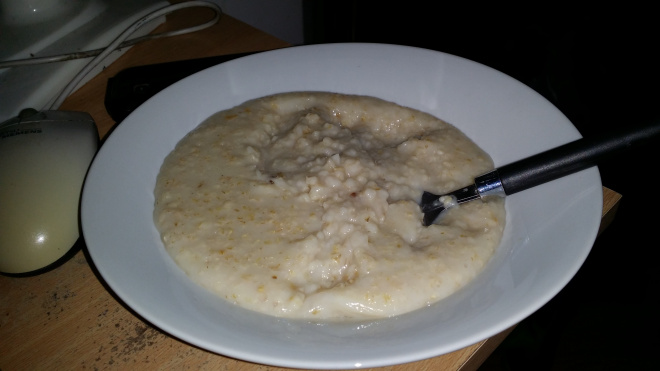
Breakfast – Porridge made of oats and water

20140908_094219

Lunch – Rice, chicken paste and yoghurt (don’t recommend)

20140908_150607

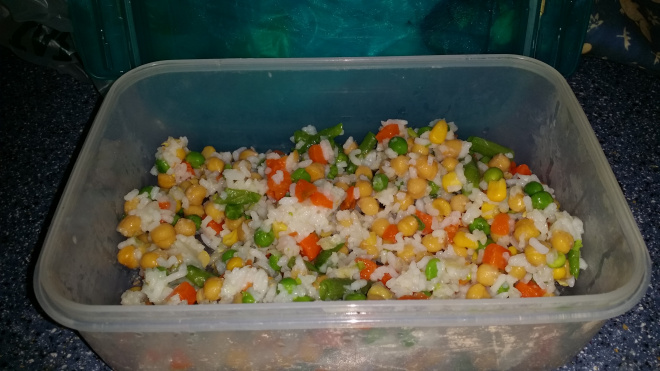
Dinner – Fried rice, frozen vegetable mix and chickpeas (best one so far!)

20140909_163835

Tuesday 9 September 2014

Breakfast – Slept in (is that cheating?)

black-windows_542931

Lunch – Same as dinner yesterday, fried rice, veg and chickpeas

20140908_214531

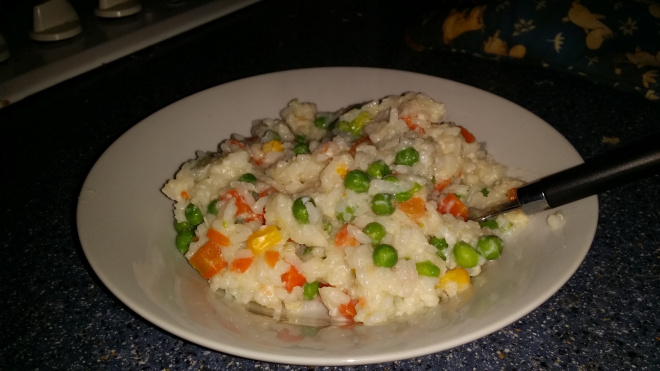
Dinner – “Risotto”: Rice and frozen veg mixed with one egg

20140909_202119

Challenges

Having prepared some fairly tasty meals so far, as well as just wanting to forget about others, this week has certainly brought up some challenges. After Day 1 and 2 I have identified two main themes: Food prices and energy levels. First of all, food prices in London probably don’t give me an advantage in this challenge, as well as making the decision to include all my drink as well in the £5, which has left me with less money for…

View original post 434 more words

Stephen King’s The Stand: Dream Movie Casting

Sometimes, I have to write totally selfish articles. This is one of those, and I won’t apologise for it- with much talk of the upcoming film series adaptation of The Stand, it’s only fair I give a few pointers to the filmakers so they have a clue what they’re doing. For those who adore the book, like me, please comment and let me know what you think: for those who don’t, I promise the Doctor Who review will be up tomorrow.

Larry Underwood- Matthew Mchonaughey

The Cinema Society With Bally & DeLeon Host A Screening Of LD Entertainment's "Killer Joe" - Inside Arrivals

In the midst of the Mchonaissance (I only heard about that phrase a couple of weeks ago, and think it might be the cleverest thing I’ve ever come across), the Dallas Buyers Club star has apparently been in talks to play the main villain, Randy Flagg. Personally, I’ve had him picked out as Larry for years- a slightly haggard, boozy country music star with questionable morals and a way with the ladies. He’s got to be handsome in a very particular way, and Matthew might just be able to pull off that ultimately martyred charisma.

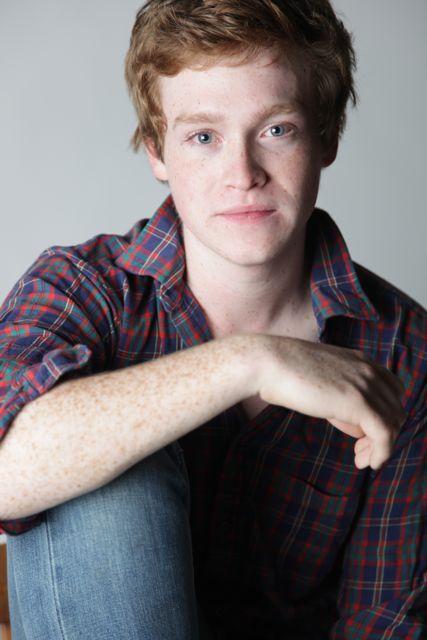
Harold Lauder- Caleb Landry Jones

Caleb_Landry_Jones

Aside from the big bad, Harold might be the most complex and challenging character in the whole novel. At sixteen, he finds himself one of the sole survivors of a superflu, turning him (in his mind, at least) from a high school loser into an action hero. His tragic trajectory requires someone who can convincingly pull off a teenage saddo as well as they can delve into the dark moral ambiguity of the character. Landry Jones is by far one of my favourite young actors working at the moment, and everything I’ve seen him in so far indicates that he could pull off this role without turning it into a good-boy-turned-bad fable.

Nick Andros- Ben Wishaw

wishaw1mj1809

While I consider Nick one of the dullest characters in the novel (too much of a hero in a book peppered with ambiguities), the role would need a great actor to inhabit it, as Nick is both dumb and deaf. There’s a frailty and kindness to the role that the puckish Wishaw could pull off no problem. Plus this kid needs more work. So I can look at him. And his lovely face.

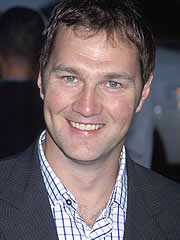
Stu Redman- David Morrissey

2352-davidmorrison1b

Stu is the de facto protagonist of The Stand, but also a pretty straight-down-the-line character- he’s a good guy with strong morals and the ability to bring people together under his leadership. I’ve always somewhat fancied the good Morissey for this role, as he’s old enough to bring the gravitas and charm without being too generic a “good cowboy” character.

Julie Lawry-Jennifer Lawrence

images (1)

Something about the craziness and sexiness required for this role screams Jennifer Lawrence to me. She’s got to seem unstable and a little bit scary, but at the same time attractive and cool. Yup, Lawrence all the way.

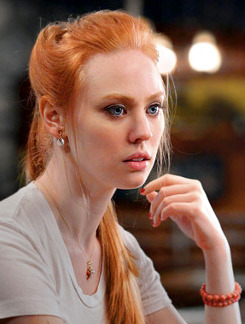
Fran Goldsmith- Deborah Ann Woll

deborah-ann-woll-2-sized

A no-brainer, really. One of the few significant female characters in the novel, Fran is too often seen as a slightly fluffy, overly feminine character, where she’s actually kind of an asskicker. Here, you’d need someone beautiful enough to play to high-school-hottie thing alongside a growing sense of cynicism and pragmatism. Woll has proved in her True Blood performance alone that she finds that roll stupidly easy. AND she needs a big-screen break.

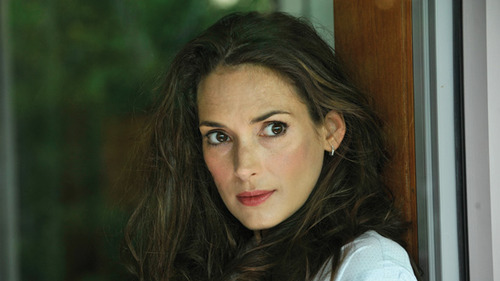
Nadine Cross- Winona Ryder

winona

When and why did we all forget Winona Ryder? I want a comeback, and specifically I want her playing Nadine Cross- doomed from the start, she’s got an ethereal and vaguely supernatural presence about her, as well as a penchant for manipulation. Ryder is just the right age for this now, and would bring some gravitas and smarts to the tricky role.

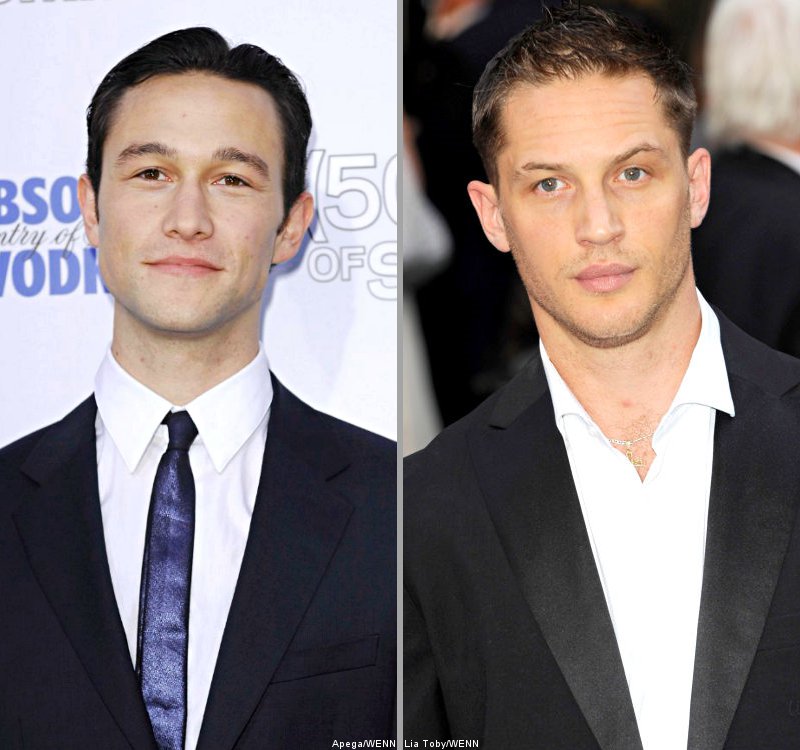
Lloyd and Poke- Tom Hardy and Joseph Gordon-Levitt

00038267

For some reason, I always think of these two in the same breath, much like the characters I’ve cast them as here. Poke, a sociopathic criminal mastermind, has to be convincingly charming and cruel, and who woudn’t love to see Levitt playing a cut-and-dry bad guy? Lloyd Henreid as Randy Flagg’s right-hand man and mass murderer, has to convey the notion that he could have turned out as nothing more than a petty thief if he’d made different choices, and the slightly thuggish Hardy does a great line in morally tortured characters.

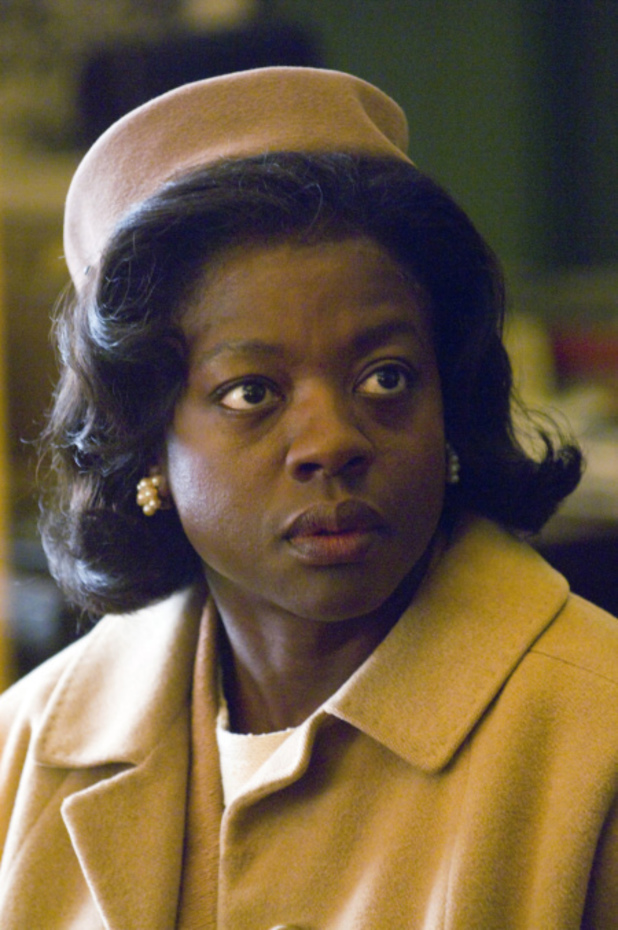
Mother Abigail-Viola Davis

movies-viola-davis-doubt

Because obviously. An insanely great role for an equally talented actress.

Tom Cullen- Ryan Kwanten

530416-ryan-kwanten

I have no real justification for this other than Ryan Kwanten played a brilliantly loveable, almost Shakesperean fool in True Blood, and I think that utter likeability and clear and strong sense of right and wrong might come in handy in a role that could easily come off as patronising.

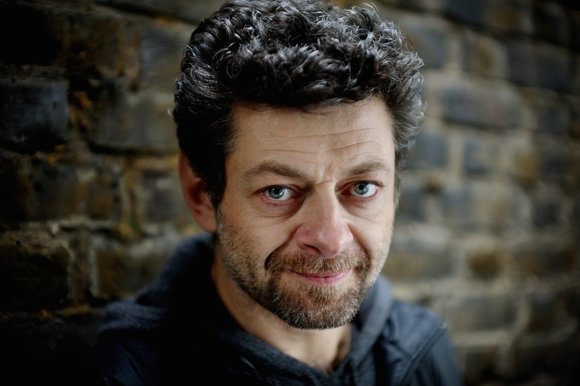
Trashcan Man-Andy Serkis

serkis

Who else but the supremely talented Serkis could play this, probably the singular most important character in the novel? A crazed, but not necesarily evil, arsonist who winds up bringing the book to it’s conclusion, Serkis has the acting chops and ability to totally get inside a character- see his performance as Ian Dury for proof. Chances are he’ll be acting through a lot of prosthetics towards his radiation-addled end too, which might suit the mo-cap hero quite well. Could you imagine anyone else dragging a nuclear weapon across the desert? Precisely.

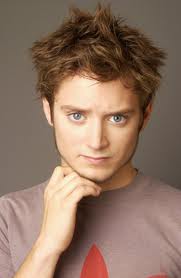
The Kid- Elijah Wood

images

A diminutive sociopath who might be the most straight-up evil character in the book? Hello, Elijah Wood, what have you been doing since Sin City? Wood has those boyish good looks mixed with the ability to bring discomforting psycopathy to his roles. I would kill to see him inhabit The Kid.

Randall Flagg- Michael Rooker

rooker

A hot debate rages between every fan of the book over who should play the iconic villain, a leading character across a number of King’s works, and I’m calling Rooker on you all. At his heart, Flagg should be scary. He should look like he’s carrying decades of evil with every step, but still somehow be convincingly attractive to potential followers. We know Rooker can do crazed and scary-better than almost any actor working today, in fact- but I’m convinced he could bring the thespy, quiet, and clever stuff to life. That manic energy-and ability to pull off a knife hand-wouldn’t go amiss either. Basically, this is an actor whose got the ability to make even the most insane characters seem real- who better for the ultimate bad guy?

The New Companion’s Guide to Doctor Who, part one: Must-See Episodes

The start of my beginner’s guide to Doctor Who. Picking these five episodes was a genuinely gruelling experience.

Doctor Who: Tosh and Rambunctious Dithering In South

My dad grew up with Doctor Who in much the same way I have. He kept up with a few episodes of the new series, and we were discussing the newest season in Skype last week. I had my pouty face on because I hadn’t enjoyed the last couple of episodes-too serious, too clunky, not quite Doctor Who enough. Me and my father came to the conclusion that the problem with those episodes (and some episodes of the previous series) was that the creators had forgotten their roots- Doctor Who was created, after all, as a children’s television show that taught unsuspecting kids about history. It was always a little bit naff and a little bit silly- which is not to say it couldn’t be scary, funny, and emotionally resonant at the same time, but, ultimately, this is Saturday night family TV and the show is best when it remembers that. 

I felt like this point had been vindicated with last night’s episode Robot of Sherwood (it’s always fun to see a historical episode that isn’t set in Victorian London, though it was clear that the cast and crew had just sidled over to the few remaining sets from the BBC’s ill-advised Robin Hood redo a few years ago while no-one was looking). It was terrible on surface level, but actually pretty carefully constructed on closer inspection. It followed the story of the Doctor and Clara foiling a plan by the evil Sheriff of Nottingham with the help of Robin Hood- despite the fact the Doctor is convinced that the entire legend of Robin Hood is just a legend.

It seems like someone had just bothered watching The Thick of It for the first time, after having the DVDs gathering dust in the writer’s room for six months, and realised that this Peter Capaldi guy is pretty funny when you put him in conflict with someone else, whether he’s swordfighting with a spoon or engaging in a three-way archery contest. The Doctor really developed for me in this episode, becoming, like a pokemon in cool shoes, the next stage of his evolution- the funny Doctor. The script split him and Clara up for much of the running time, leaving him bickering with Robin Hood and leading peasants in rebellion against evil robot knights. I mean, just read that sentence back- that’s what I come to Doctor Who for, that zenith of nonsense and fun. 

Splitting Clara off from the Doc proved a good plan too, as her level and type of energy was matched by the numerous periphery characters in almost every scene instead of clashing with that sour energy that Capaldi puts out. Ben Elton, as the sleazy Sheriff, was brilliant and a little bit sexy (I’ve still got a hangover crush from Primeval), and the merry men were appropriately merry and manly. The episode broadly tied in to the plot established in the first episode about robots trying to rebuild themselves and return to the promised land (a plot I assume will culminate with the cybermen, who we know will appear in the finale with Missy), but was basically just an audaciously plotted, utterly ridiculous slice of family TV. I was willing to forgive some of the silly plot wobbles (like the golden arrow being shot into the spaceship) because Robot of Sherwood never set itself up as a fiendish masterpiece. It came in with a party hat on squint and a bottle of cheap wine in it’s hand looking to have fun.

I’ve long been a supporter of the art of TV that’s simply fun, and here was an episode that provided me with a score of reasons why. I’m not claiming this was any great shakes at theme, or emotional depth, or fascinating ideas- I’m saying this was an episode of TV that succeeded in entertaining me for fifty minutes, the very reason I fell in love with the show in the first place. Welcome back, Doctor Who. 

That theme song is still the root cause for all evil in the world, though. I’ll have you yet, Moffat.

The Death of Undeath: True Blood

I done wrote an article about the end of True Blood, a secret pleasure of mine.

Torchwood: Television’s B-Movie

Right, before I start, I have brief plugging to do- firstly, I’ve noticed the Doctor Who articles on the Guignol have been getting tons of clicks. If you want to read more of my Doctor-Who related nonsense (which I assume is what you’re here for), I’ll be writing a beginner’s guide to Doctor Who over the next few weeks over at the excellent site Popjunk, which I’ll posting here sporadically too. And another thing- for those new to the site, hello! I run other blogs both here (that’s an interview-based site about working in the arts), and here (that’s a music blog I run with another freelance pop culture writer). Check them out because I’m a sick-ass dope writing motherfucker. We good? We’re good. 

So, Torchwood. Torchwood (an anagram of Doctor Who, and a code name for the rebooted show when it was still in the early stages of production) is a spin-off from the second series of the new Who, following the exploits of periphary character Captain Jack Harkness- 


Swwwwwwwwwwwwwwwwwwwwwoon.

Swwwwwwwwwwwwwwwwwwwwwoon.

 -and his band of merry upgraded extras. Basically, each epsidoe revolves around them prancing about Cardiff solving mysteries. It’s Scooby-Doo, if the gang dry-humped in the back of the Mystery Machine at the end of every episode.

Torchwood was sold as a “grown-up” Doctor Who, packed with fluid sexuality, moderately offensive swear words, and pointed blood splatter. This is usually where I would start ripping the ever-living pish out of a show of this nature-a spin-off, a “gritty redo”, Russel T Davies….

But Torchwood is great. Well, it’s not, but that’s what makes it so eminently watchable. The acting is pretty average, with John Barrowman earning particularly criticism for his portrayal of Jack (although, honestly, he’s playing a swaggering, omnisexual intergalactic space cowboy- the part needs to be inhabited, not actually acted), but it works. The cast have strong chemistry, and Eve Myles in particular (who was scooped straight out of a season one Doctor Who episode, character name and all) toes the line of audience surrogate and plain exposition machine carefully and to great effect. I’m also a huge fan of Owen, because he looks wildly strange in a way that I find momentously attractive.

owen

Is this crush alright? It’s not, is it? I wish I were Aunt Peggy, and he were the gin.

He’s also the focus of some of the most interesting episodes of the series, and carries them with aplomb. One character I don’t understand is Ianto- there was such a vitriolic tidal wave when he left the show, I was expecting an engaging, witty, empathetic character and instead he’s the…pale-ish tea boy? You can keep it, thanks.

So the acting is no great shakes, and the stories are often two-word epiphanies that hit the writers at three in the morning on the way back from the pub. “SEX……GAS”. “LIVING…..FILM. “PTERODACTYL….PET”. You get my drift. The villains inevitably turn out to be either preening ninnies or badly CGI’d monsters or twist endings that make me want to harm things, but you’re there to see the gang bicker and leap into action at least twice an episode, not for Moffat-ian scripts. Everything is oozing with innuendos, second base, and snappy, office-banter one-liners. The whole thing plays out like a b-movie, in that it’s well aware that it’s not going to win any awards, but it’s enthusiastic and ridiculous and a little bit knowing anyway. Although once some screenwriting genius working for Torchwood managed to blurt out “MARSTERS….BARROWMAN” and it was good. REALLY good. 

To be that tacky late nineties wallpaper.

To be that tacky late nineties wallpaper.

Keeping up with series eight of Doctor Who, one of the things I’ve been missing most profoundly is that sense of bright, kitschy, self-aware fun. That’s not to say every episode should feature Daleks in pom-poms and a swanny whistle, but there is- or should be, in my eyes- a light element of camp to the Whoniverse, and watching Torchwood reminded me that. I’m entirely game for serious science-fiction that makes a strong moral point (see: Miracle Day and Children of Earth, the brilliant if oft maligned miniseries detours Torchwood took after it’s first two monster-bashing seasons were over) or science-fiction that’s bright, breezy fun. And I also think that the Whoniverse is better placed than many to pull off both in tandem. But, in the midst of an all-too-serious season of Doctor Who, it’s nice to remind myself just how blase and brilliant this world can be. 


Hang on, I just like this show because I think everyone’s fit, don’t I? It’s The Great British Bake-Off all over again.