The Cutprice Guignol

The Ninth Year: The Haunting of Swill House

Category: Discussion

How Do You Make A Non-Sexist TV Show?

I write a lot about sexism in TV shows. And I’ll tell you why: it’s because there’s a shocking amount of sexism in TV shows. I don’t spend my entire life, eagle-eyed, looking out for terrible representations of women; I just watch a shit-ton of TV and can’t turn off the feminist inside me who’s pretty reasonably explaining to me why these things are kind of offensive. And I get asked a lot what it would take for me to find a TV totally inoffensive on the sexism front. Well, I’ve been thinking long and hard about this, and here’s my attempt at answering that question, with a few questions of my own.

1. Have You Presented Either Gender’s Sexuality as Dangerous, Manipulative, or Deceptive?

Positive representations of sexuality give Gael Garcia Bernal the horn.

Think about it: I can’t bring to mind many TV shows in the last ten years or so in which no-one-usually a woman- uses their sexuality in a deceitful way. And look, sexuality is a really complex thing, and there are a minority of people who do use their sexuality, not as expression of sexual attraction or personal pleasure, but as a weapon. The problem with showing that on TV is when you don’t provide an alternative view. Sure, show some people who use their sexuality in a manipulative way, because sexuality is an important and powerful thing, but don’t make that the be-all and end-all of your depiction of sexual expression.

Bad Example: Game of Thrones. Basically any expression of female sexuality- whether it be from the good guys or the bad guys- leads to someone getting hurt. In fact, you know what, don’t get me fucking started on the way women are treated in Game of Thrones. Now is not the time.

Good Example: Mozart in the Jungle. People are allowed to express their sexual desires, and they all receive pretty much the same consequences for their actions.

2. Are All Genders Being Paid the Same Respect?

Seriously though, watch Transparent. It’s flawless, moving, powerful, devastating television. And Jeffery Tambor (right) is superb.

Some characters are just there to push the plot on. That’s something that’s required from time to time in TV shows. But if the only representations of a certain gender come in the form of people who are there, not to have their own defined characters, but to provide conflict, romance or blatant exposition, then you’ve got a problem. All genders have the potential to be fully-formed, fascinating characters, so you’re doing everyone a disservice by writing off most of a gender as solely useful in relation to the other.

Bad Example: Lori from The Walking Dead. She had literally no discernible character of her own, and was there to cause conflict between Rick (her husband) and Shane (her ex-lover), flip-flopping and unable to stick to her own opinions for more than half a scene if they were getting in the way of the plot. Gratifyingly, everyone hates Lori.

Good Example:Everyone in Transparent. All the leading characters feed off each other, with everyone paid appropriate attention and respect regardless of gender. God, Transparent is bloody brilliant.

3. Are You Relying Entirely on Stereotype for Characters of One Gender?

I mean, I was going to use the picture of her looking fine as hell in the Wonder Woman costume but I felt that it would undermine the integrity of these article.

Essentially, if you find yourself with nicely laid-out, deeply characterised examples of one gender, and end up depicting the other entirely through reliance on stereotype, you’re doing it wrong. There’s a temptation in shows that revolve around one particular sex (like Sex and the City or Suits) to focus entirely on the way that your leading characters see them, as opposed to how they actually are. As long as you can call out your lead characters for being awful people (See: It’s Always Sunny in Philadelphia), you can get away with it. But focusing on the lazy stereotyping of one gender is stupid, because you’re doing a disservice- and cutting off a lot of exploratory ground for your show- by refusing to acknowledge the possibility that people might exist beyond a sketched-in outline.

Bad Example: Two and a Half Men. Almost all the women are gold-diggers, liars, idiots, and-if they’re sexually active- generally a bit scary too,

Good Example: Ros from Frasier. While she’s not the best character in the show, she plays a self-reliant single mother with a full-time career that she loves and an active sex life that occasionally crosses over with romance.

4. Are you disproportionately representing one gender as overtly sexualised?

Carol is unarguably the greatest thing to ever happen to The Waling Dead.

This is genuinely worth looking at, because we just don’t notice it a lot of the time. And yeah, I’m going to go out on a limb and say that women do have the rougher end of this stick, with even my favourite shows- like Battlestar Galactica, Neon Genesis Evangelion, How I Met Your Mother- guilty of offering a flash of female flesh for no real reason, even if they often do try to temper it with brilliant characterisation. Let me be clear here when I say that nudity in context is fine, but if there isn’t really a plot-worthy reason for you to show that nipple or flash of arse- or to stick your female crime-fighters in corsets, ahem Arrow- don’t do it. Over-use of a certain gender’s sexualised nudity suggests-well, it suggests something quite profound about the way you look at that gender, but it all suggests that you’re trying to cater to an audience that would appreciate this kind of sexualisation, and that can alienate the people who don’t fall into that bracket.

Bad Example: I could very easily pick on Game of Thrones here and, fuck it, I’m going to. The number of tits and naked woman compared to naked men is almost hilarious, to the point that one of their leading actresses refused to do any more nude scenes after series one.

Good Example: The Walking Dead. Once you get past the dearth of excellent female characters in the first couple of seasons, women and men are basically all treated the same way- as if they’re trying to survive- so the way they look is basically irrelevant.

5. Are you giving one gender power by taking it away from the other one?

Sian Philips as Livia from I, Claudis: Cercei Lannister, eat your heart out.

In short, power is not finite. If you have to strip one gender of all power just so that the other one can seem strong by comparison, your just not writing a very good show. The idea that one character must seem weak for another to seem strong is generally pretty daft, and it’s especially annoying when this is gender-based.

Bad Example: American Horror Story. Look, I love this show and I love the female characters in it, but I don’t like that so many of the men are psychopaths/murderers/losers/pathetic/generally unsympathetic by comparison.

Good Example: I, Claudius. With a constant exchange of power running through the whole series, no gender is shortchanged. Power recedes and increases based on influence, not on gender.


Shelters and Graveyards: Abuse, BDSM and Love Stories in Fifty Shades of Grey

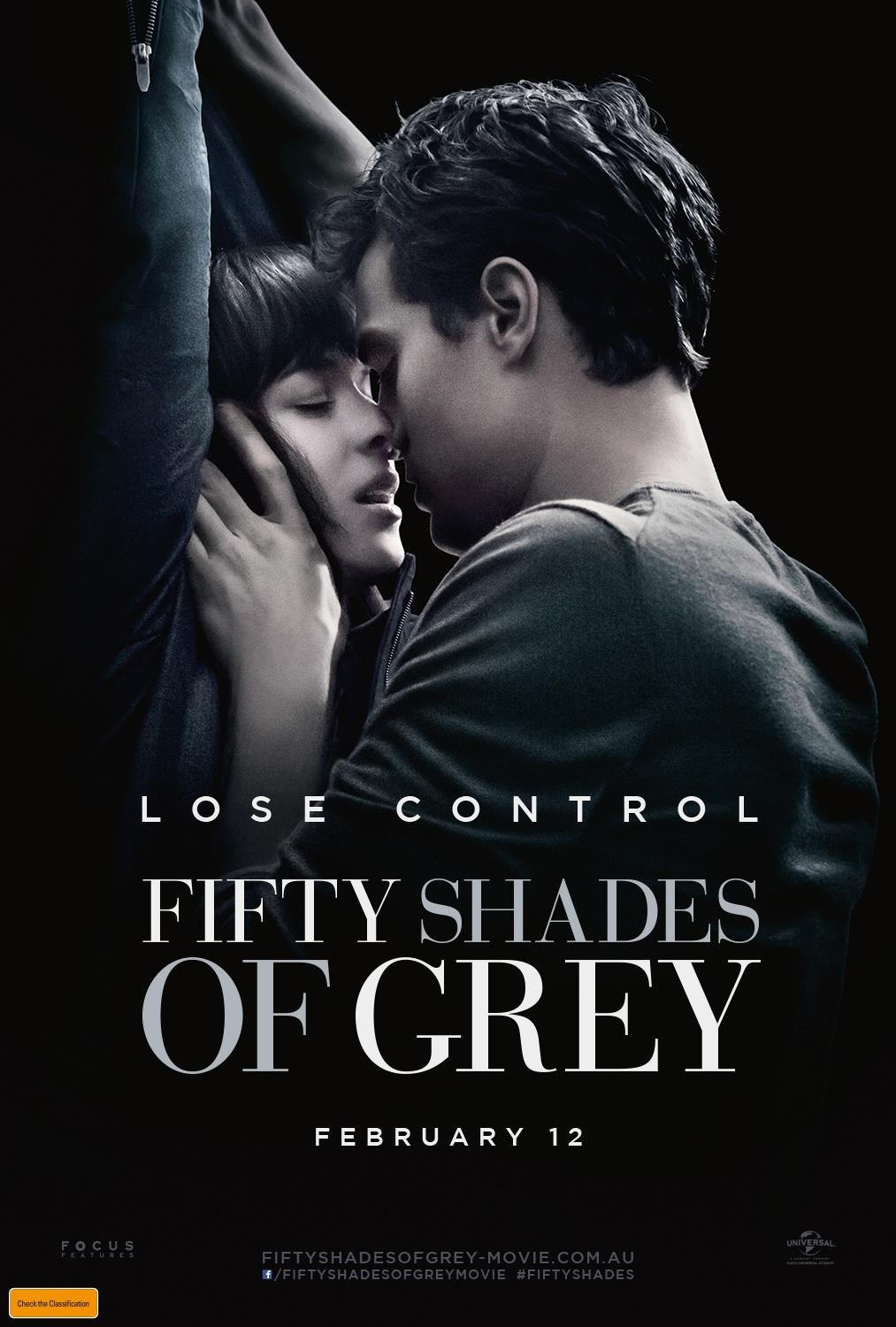
The Fifty Shades of Grey film hits cinemas later this week, and I think it’s time we take a bloody good look at why Fifty Shades is a story about an abusive relationship. Hundreds of people are defending EL James’ best-selling novel as a depiction of a love story. but it’s time to add to the maelstrom of people arguing that no, it fucking doesn’t.

fifty1

Fifty Shades, as people who’ve been keeping up with my shouty recaps will know, follows the story of Christian Grey, mysterious multi-millionaire wanker and dominant, and his relationship with Ana Steele, mousy, pretentious college student. And, right from the off, their relationship is abusive. Because Christian has an inability to respect boundaries, he travels cross-country to pick a drunk Ana up from a party, takes her home, undresses her, and sleeps next to her, without once asking if it’s okay. Christian gets angry at Ana for being a virgin. He stalks her with tracking devices on her phone. She never signs the infamous sex contract he presents her with in order to establish their boundaries as dominant and submissive, but he uses it against her when he decides that she shouldn’t see her mother. He buys her place of work so he can exert more control over her life. He grabs her and pulls her at several times throughout the novel. Christian occasionally outright threatens Ana with violence for doing things he doesn’t like- describing himself as “palm-twitchingly mad” when she visits a male friend.  He pulls Ana away from her friends and locks her in a room with him until she tells him why she won’t return his calls. He admits to getting her drunk in order to get her to agree to what he wants. At the end of the first book, Ana explains to Christian that she doesn’t like the idea of getting punished- he manipulates her saying that she said she’d never leave in her sleep, and Ana asks just how painful things could get. With no discussion of boundaries, Christian beats Ana with a belt so hard she finds herself unable to speak through the pain and thus unable to use her safeword.  When she does manage to count the blows out loud, her voice is a “strangled sob”, so pretty safe to say that things had gone too far; Christian doesn’t even stop to check she’s okay. Read this breakdown of Fifty Shades with regards to an emotional abuse checklist if you don’t believe me; throughout the first book alone and the whole series by extension, Fifty Shades is peppered with emotional abuse, manipulation and emotional blackmail. That’s a fact. Trust me, I know.

FIFTY2

But what does that mean for people who like the book? If you are a fan of Fifty Shades, it doesn’t automatically mean that you support or condone abusive relationships. It means that you’re welcome to enjoy any kind of fantasy you want provided you’re able to draw the line between what you let happen in your head (or on the page) and what you would let happen to yourself or someone else in real life. As long as you’re able to accept the fact that the relationship depicted across the trilogy is a horrendously bad one, feel free to enjoy all the slightly kinky BDSM sex. No, seriously- go ahead and enjoy it. But stop counting yourself amongst fans who defend the book as a love story, or argue that those saying the book is abusive just don’t understand how BDSM works. Fifty Shades is often sold as the love story of a generation, with articles on Match.com and countless other websites giving readers tips on how to find their own Christian Grey. And therein lies the problem with the book- people aren’t satisfied with just the fantasy of a boring, emotionally manipulative manchild- they’re being encouraged to go after it in real life. The problem here arises from a worry that there are probably all too many people willing to become Christian Grey, and all too many people who, thanks to the books, might conflate romance and love with emotional abuse. Because at not one juncture in the book does EL James suggest what Christian is doing is abusive (similarly, the book steers mostly clear of labelling the sexual relationship Christian had as a young teenager with his mother’s manipulative friend as what it is – statutory rape). The reader is supposed to fall in love with him as much as Ana, when we should be encouraged to look out for the often tacit signs of emotional abuse (in our own relationships and in others) that Christian so perfectly epitomizes. Fans who defend this book are basically saying “LOOK! THIS CAMPAIGN OF EMOTIONAL AND BORDERLINE PHYSICAL ABUSE THAT CHRISTIAN CONDUCTS AGAINST ANA IS LOVE!” They are saying that they wouldn’t see a problem with this if it was happening to them or someone they knew. If that doesn’t worry anyone else, you’re probably less invested than me (lucky thing).

FIFTY4

EL James has spoken about how upsetting she finds people describing her book as abusive is, saying “”Bringing up my book in this context trivializes the issues, doing women who actually go through it a huge disservice. It also demonizes loads of women who enjoy this lifestyle.” The problem with that statement? A) Most people calling the book abusive aren’t only annoyed at the pathetically mild BDSM the book depicts, even though that’s it’s practiced in an inaccurate and unsafe way B) It’s everything that happens outside the bedroom that counts as abuse, as well as some aspects of the relationship within it. Countless people have run down the ways in which Fifty Shades depicts an abusive relationship, so I won’t reiterate them all here, but too many critics of the book are framed as prudes or those conflating a consensual BDSM relationship with abuse. We’re not. Defenders of the book are conflating abuse with a consensual BDSM relationship, and they’re wrong.

Hey, you know who else thinks they’re wrong? Hundreds of members of the BDSM community. Here’s a fascinating link to a blog post by someone from without the world of BDSM explaining that the dominant/submissive dynamic depicted in Fifty Shades just wouldn’t fly in most BDSM circles because of how irresponsibly Christian practices BDSM. Some people have voiced concern over the fact that readers, inspired to try out BDSM by Fifty Shades, might well engage in play that blurs the lines of consent. BDSM is a complex lifestyle that requires work in order to keep things safe, sane and consensual- Fifty Shades does not show the planning, the long discussions about boundaries, and the aftercare required to have a successful experience. And then there’s depiction of BDSM as a disease that’s curable by True Wuv, as Ana consistently characterises Christian’s kink as the scariest thing about him (it’s not).

So, with the mighty behemoth that is Fifty Shades rolling into cinemas this week, what can you do to take a stand against the movie (past just not seeing it at all)? Well, I’m donating the cost of my movie ticket to Broken Rainbow, a charity that supports LGBT victims of domestic abuse. Whether you donate or not, keep talking about Fifty Shades- read the books for yourself, and find the countless pieces of evidence that define this as an abusive relationship. You don’t have to shame people for reading it; you have to get people thinking about if this kind of thing is acceptable in real life. I was looking for the right quote to end this piece on, and I found it, courtesy of Gail Dines: “Battered women’s shelters and graveyards are full of women who had the misfortune to meet their Christian Grey.”

If you like this article and would like to see more stuff like it, please consider supporting me on Patreon!

Is The Big Bang Theory Sexist? Well, Yeah.

If you like my work, please consider supporting me on Patreon!

I was watching a few episodes of The Big Bang Theory last night, and, since I haven’t really watched it since feminism happened to me, my brain started wantonly analysing the treatment of women in the show. And you know what? The results weren’t good.

The show sprung from the mind of Chuck Lorre, the man behind the mind-bogglingly sexist Two and a Half Men, so it shouldn’t come as too much of a thundering surprise that The Big Bang Theory is sexist. But I guess it comes under a veneer of seemingly unintended forward-thinking ideas- showing several main female characters as accomplished and respected scientists, for example- but it undermines this message at so many turns it seems like a horrible mistake.

Let’s start with Penny. Question: can you tell me Penny’s last name? Nope? That’s right, because the show has never given her one-not as a long-running gag, but simply because it hasn’t come up in over eight years. She’s portrayed from the off as a stereotypical hot, dumb blonde who sleeps with a lot of men- sure, she has street smarts, but her booksmarts are regularly compared to the four leading men’s to make a joke at her expense. Har, har, fucking har. She eventually does go to college; the decision is made, not because she wants to continue her education to further her career or expand her prospects, but because she wants to be smart enough to date her scientist boyfriend. When she snaps back at Howard, the resident endearing creep, for hitting on her one to many times after she’d said no, she’s made to apologise for upsetting him- so when she does stand up for herself, she’s slapped down for it. You don’t even have to delve into why these examples are sexist, they’re so bloody obvious. And more numerous than I’d care to count.

And then you’ve got the rest of the women on the show, who are, without fail, introduced to be romantic or sexual interests for the men (excluding a few overbearing mothers). Amy, who’s introduced as the direct counterpart to socially awkward, hyper-intelligent Sheldon, is soon boiled down to her desire to make Sheldon her boyfriend and engage in “coitus” with him (and occasionally, brilliantly, criticise the Indiana Jones movies), which is hilarious because she isn’t conventionally beautiful. Leslie Winkle, a scientist, appears almost always when she’s a fuck-buddy to one of the main cast. Bernadette is probably the most complex portrayal on the show, and she does have her own merits- her refusal to quit her job to have kids, for example- but she’s still essentially there to marry Howard. When the men display negative character traits, like lying or cheating, it’s often played for laughs- when women do it, it’s usually played off to show how much it hurts the men in their lives. Many of the female characters are barely given personalities beyond what they offer to the men in the show, with many- like Raj’s big-eyed squeeze- directly reflecting the characters of the men their paired with.

Then you’ve got the silly marginalisation of women in geek culture. Look, here’s the thing: women like nerdy shit too. And some men- I stress, not all men- see women as an impingement on their sacred ground, accusing them of wielding nerd culture as an excuse to dress up in sexy outfits and go to Comic-Cons to exploit the loneliness and vulnerability of male geeks (tiny violins play). Things which are just blatantly, blunderingly not true. The Big Bang Theory doesn’t want girls near it’s boy’s toys. Women are rarely, if ever, shown engaging in geek culture in the same way the men in the show are- in fact, when the three leading women walk into a comic book store everyone stops to stare. Later, Penny picks out a Thor comic book because he is “hot”. In the world of The Big Bang Theory, women aren’t welcome in geek culture because they couldn’t possibly understand it the same way the guys do. And no, just because we’re invited to laugh at the guys for their obsession doesn’t mean that exclusion is okay, because we’re being encouraged to giggle at the intensity of their fascination, not the idea that they might have a fascination at all.

It seems doubly odd, too, when two of the leading women in the show have presumably followed a reasonably similar educational/career trajectory as the men, with regards to the fact that they all ended up working as respected scientists (albeit in different fields). Is it really beyond the realms of possibility that they, or literally any other female character on the show, might have found their way into the same fascination with pop culture and entertainment? Evidently not.

I wrote last month about sitcom sexism, and how it often comes down to an across-the-board lazy use of stereotypes. The Big Bang Theory doesn’t escape with that questionable honour. Women are actively excluded, mocked, and stereotyped. And this is one of the longest-running, most watched, and most awarded sitcoms on television. I won’t just ignore it, because this is television which, whether you like it or not, matters.

Ex Machina and Sexy Naked Ladies

So, I saw Ex Machina today. And it was an okay film: I’m slightly surprised by the number of people hailing at as one of the best science fiction films in recent memory, with insta-classics like Looper, District 9, and Moon on the proverbial radar, but sure, it was fine.

Following the story of twenty-someting coder Caleb (Domnhall Gleeson) after he’s invited to the home of reclusive tech genius Nathan (an electric Oscar Isaac), the plot revolves around Caleb’s interactions with Nathan’s latest creation: a high-functioning robot called Ava (played by an otherworldly, nuanced, slightly calculating Alicia Vikander). Nathan encourages Caleb to conduct a kind of Turing test to establish the validity of the AI he’s created, and Caleb finds himself drawn to the intelligent and beautiful Ava. Predictable shenanigans ensue.

I don’t want to talk about the actual plot of the film, because there wasn’t much there that hasn’t been explored before. I want to talk about the gender roles present in Ex Machina, because that’s probably the most interesting part of the whole film: Isaac’s Nathan literally bulges with muscles and masculinity and sexual virility, while Gleeson is his nervous, baby-faced counterpart. And in the middle of them is Ava; half beautiful woman and half visible machine, she’s both alluring and off-putting, both an actor and the acted upon.

The film did piss me off quite a bit with the sheer amount of uncalled for female nudity shown on-screen (the award for the science-fiction movie with most landing strips goes to…) especially when compared to the amount of male nudity we got (none). There’s no doubt that writer-director Alex Garland was critiquing the male ego (Isaac sees himself as an infallible God figure who creates and literally discards women as he needs them, while Domnhall Gleeson swings in as a white-knight saviour for Ava. Both, ultimately, fail) in Ex Machina, but it begs the question: where’s the line between gratuitous and necessary nudity in a film with these kinds of gender-based themes?

By showing a bunch of female nudity, Garland puts himself in a difficult position. He’s both inviting us to question the way that these women-robots are portrayed, used and viewed by the men in the film, and inviting us to ogle them along with his leading characters. The camera lingers voyeuristically on ex-ballet dance Vikander’s naked body when she covers herself in skin for the first time, while the fully-nude bodies of other female robots- deactivated, sterile, dead- line the cupboards behind her. Kyoto, the subservient robot that Nathan keeps around the house for sex and housework, drapes herself naked on Caleb’s bed. And the problem with it isn’t that nudity should be censored entirely; it’s that, by showing this nudity, Garland isn’t actually adding much to the film. If he’d implied the nudity, it would have been just as powerful and effective. In a film without a great deal of violence but with very adult themes and ideas, nudity seems to be the go-to to earn this a “grown-up” status. If the movie had been balanced with more male nudity, it might have at least made more sense- as Russel T Davies recently pointed out, we’re kind of squeamish about films and TV shows that show penises in all their glory-but by making the nudity solely focused on female characters, it undermines some of the interesting things it has to say about gender and sexuality.

I think what it comes down to is that the nudity didn’t actually add anything to the plot. Sure, Alicia Vikander is a beautiful young woman, and her naked body is a lovely sight, but showing it didn’t bring any new dimension to her character that wasn’t already covered. And that went for all the female characters who went naked in the film: their nakedness was there, at best, to supplement character points that had been established well enough earlier on and at worst, for apparent titillation.

I’m not going to outright accuse Ex Machina of sexism, because I actually don’t think it was a sexist film; on the contrary, it had a lot of quite nuanced ideas about sexuality and how we perceive it buried amongst the standard sci-fi fare. I think the problematic side of it came down to an inability to deploy nudity in an impactful way, in a way that developed and added something to it’s characters. And nudity for nudity’s sake- in a film that was, in a lot of ways, an adult, thematically relevant, and intelligent picture- doesn’t make anyone look like more of a grown-up.

If you like my work, please consider supporting me on Patreon!

The League, and The Problem with Sitcom Sexism

Being a feminist and existing almost entirely on a pop-culture plane is exhausting. Casual sexism is everywhere. Games of Thrones disempowers female characters through rape before they can become all-powerful. American Horror Story has been known to piss all over it’s male characters to make room for strong women. Black Canary in Arrow gets to fight crime in the extremely practical ensemble of a bodice-ripping corset, leather trousers, and a cropped leather jacket. Bleh . Once you start noticing these little, irritating slips, it’s hard to ignore them. So when I clicked on to The League a concept-driven semi-improvised comedy based around a fantasy football league,  I promised myself that I would try to ignore any of the potential quiet sexism I’d gotten used to.

And, two and a half series in, there it was. Female judges who were just waiting to sexually dominate male characters; sexy teen au pairs hired purely on looks because the child’s father wants his kid to get used to being around gorgeous women. Katie Asleton, who plays the one female main cast member, is regularly shown to be “one of the guys”, enjoying dope and booze and sex (because hey, no women I know enjoy dope and booze and sex), an exception to the other wives and girlfriends in the series (one of the main character’s wives appears, significantly, once in the first season, where her episode arc revolves around cooking lunch for everyone while they try to watch football). Women are constantly hurling themselves at the five leading men, giving the romantic side of the series a sense of being scripted as somebody’s ultimate fantasy. It’s low-level, it’s not the end of the world, but it’s kind of irritating.

But I have sexism fatigue. I just wanted to watch a show where my feminism senses weren’t going to be tingling; I’m not looking for an excuse to be enraged or feel victimised, but seeing the same tired women stereotypes paraded out was grating as a fan of pop culture (because lazy) too. And that got me thinking: is sexism more damaging to shows than stupid stereotypes? And if it is, how important is sexism in judging the intentions of it’s creators?

I think that sexism is particularly egregious when it’s unimaginative. Sitcoms have comfortably settled into a recognisable rhythm, with certain beats to hit and characters to work through. The League regurgitates a handful of stereotypes- dumb blonde, stupid promiscuous guy,  sexy Latina woman, oblivious wife- that only serve to underline how easy it’s is to fall back on gender and racial safeguards because they’re easy. These stereotypes are shorthand for spelling out things that the show hasn’t got the time or inclination to do itself, because when we see a few traits from a certain stereotype applied to a character we can fill in the rest of the blanks ourselves. I’m picking on The League here, but loads of sitcoms do it, and in a way it makes sense. With twenty-three minutes to tell a story, you don’t want to spend too long developing characters who aren’t going to impact much of the rest of the series, so you’ll rely on the audience’s knowledge of stock sitcom characters to cut out the middle man. But at the same time, it’s lazy: sketch in these characters, sure, but actually make them a bit different and a bit new. Subvert expectations. The closer you look at the low-level sexism that inhabits these kind of sitcoms, the more you realize that it’s less an issue of feminism or gender disparity than it is an issue of lazy (or time-constrained, depending on how you see it) writing. The fact that they use these stereotypes for more than just female characters doesn’t excuse them, but it at least makes it understandable- and explains why the problem with sitcom sexism might well not be ill-intentioned, but rather an ingrained, quick way to get a point across.

And here’s the kicker: does it matter if the show is sexist? In an interview with Salon, co-creator Jackie Schaffer said this on the subject of sexism in the show;

“I kinda don’t really think about what anybody says. I don’t really think the show is sexist. I think we try to make it feel authentic and – it’s what we’re writing about and it’s our point of view, so maybe the world or life is a little bit sexist…”

And I don’t think that’s an entirely unfair defence. The show itself is okay, not great, not awful, with a few laugh-out-loud moments and fun characters to watch for. This is a sitcom, so it’s naturally a bit bigger and more caricatured than real life. Most of the lead characters are pretty awful people in one way or another- the sort of people who’d rent out their unknowing friend’s apartment for a porn shoot (with Seth Rogen in it, bizarrely), or force another of their friends to pay for a giant anniversary party for his wife-but that doesn’t mean that I’m going to attach all those qualities to the people who write, direct, and act in The League. There are a handful of shows whose treatment of female characters does make me suspect sexism on the part of the creators; this isn’t one of them. And hey, people behind The League could probably do with being a little more self-aware about their treatment of women. I’m not saying we should let it entirely away with the occasional sexism (and grim stalkerish behaviour which I’ll go into in more detail when I review the whole show) but there are far worse things on television that we give a pass to because they’re considered of higher intellectual or artistic quality (Read: Game of Thrones). Many of the scenes involve men talking to other men in a facetious, often sexist way that’s clearly meant to bring the audience in on how awful these guys really are. The League isn’t high art; it’s a show about a bunch of dudes and a chick in a fantasy football league. And sure, it can be pretty sexist. But we need to look at it from a practical, time-constrained point of view, so we can understand it’s reliance on stereotypes, it if not excuse it. Because understanding a problem is the only way we can effectively get rid of it, and I am so, so ready to see the back of boring sitcom sexism.

How Do You Solve A Problem Like Katie Hopkins?

You know what Katie Hopkins is? She’s a time toilet. The ex-Apprentice contestant says something offensive, and you disappear down a Facebook/Twitter/Youtube rabbithole for as long as it takes to absorb her irritatingly misinformed opinion. Then she’s gone, fading away into  the mists of offensiveness until she next takes in upon herself to make the nation roll it’s eyes so hard we shift four inches to the left.

Yesterday, it was reported that a Scottish nurse who’d recently returned from travelling to Sierra Leone with a group of healthcare workers from Save the Children had a suspected case of Ebola. The suspicion was confirmed, and she was moved to London for further treatment. Katie Hopkins had these thoughts:

Patently, she’s acting out the colloquial definition of a wanker. And by the end of the day, Twitter was aflame with the Katie Hopkins tweets, some in defense, the rest of us in blinding irritation. Some have accused her of committing a hate crime due to the perceived racism in the Tweet. The furore has been covered in a number of news outlets, including the Independent and the Metro.

Katie Hopkins and her ilk are the mobius strip of awful; they cater to our desire to be outraged just enough to keep themselves in the legal clear. The more people react to her, the more newspapers report on her, the more people want her on their morning shows, the more people find out how she is. So next time she says something offensive, more people react. And so it goes on.

Hopkins knows how to stoke outrage with finesse. She’s not like Dapper Laughs, who accidentally blunders out stuff which he probably doesn’t realize is as grim as it is.; she’s just close enough to enough people’s real-life opinions that she often gets away with the “telling it like it is” tag, despite the fact that most rational-minded people realize what a tremendously nonsensical twat she is. So how do you solve a problem like Katie Hopkins?

A lot of people have called for her to be banned from a variety of social media outlets, and that’s not the answer. Blocking her opinions entirely confirms  you see that she’s said something stupid, don’t watch it, don’t search for it, don’t click on articles about it. Utterly, utterly ignore it. that she’s significant enough to warrant a reaction, and that just adds to the rolling stone of leathery, platinum moss. It’s confirmed to many people that she’s “too much” when that’s not true; she’s just repugnant and profoundly annoying. I am not offended by Katie Hopkins, I just have no interest in hearing what she’s got to say on anything ever again. But that doesn’t mean she hasn’t got the right to say it at all. Professional offense-mongerers live off publicity, as Hopkins well knows. The only way to get her out of the news, off TV, and keep her opinions out of earshot is to cut off that oxygen. Next time you see that she’s said something  stupid, shut it down, ignore it, and encourage other people to do the same if they don’t want to hear anything from her again. Hopkins is on a cliff-edge with her career and her fame; we can provide that nudge and shut her down entirely if we don’t want to listen to her. Do it. Do it for me.

On Twitter, Gamergate, and the Trials of an Internet Debate

Recently, I’ve become a bit more active on Twitter. I find the whole concept of it fascinating and brilliant, on many levels; that ability to connect instantly with people across the world yada yada yada you’ve very probably heard this before.

I’ve been following the #gamergate hashtag with interest over the last month and a half or so. Gamergate kicked off in August, and you can read some articles about what’s been happening at the link below. Basically, the campaign ostensibly stands for the improvement of ethics in video games journalism, which I don’t think anyone would argue is a bad thing. However, it;s become a shield for some people to viscously attack those they see as enemies, for whatever reason. It’s difficult to know for sure to what extent the people who doxx (disseminate personal information, such as home addresses and emails, about the selected victim) or throw death threats at those on the apparent other side of the fence are doing so because they believe it furthers their cause (it never, never, never does, and anyone who does use these methods should know that they don’t win arguments or prove points) or simply because having a crusade provides a comforting cover.

And that’s the problem with debating things on Twitter. There are very likely hundreds upon thousands of people, with every shade of opinion, on every matter you want to talk about. In the case of gamergate, there are, broadly, the pro- and anti- side, both of which have been caught doing reprehensible and horrible things that have nothing to do with the issue at hand. It’s spun far out of control and far from any semblance of reasonable discussion, at least to the casual observer. After two months, we’re left with two extreme sides screeching at each other over the internet, while anyone trying to have a reasonable conversation in the middle is drowned out. The particularly awful screengrabs and status updates and tweets are passed around the opposing groups like porn mags, stoking more anger and annoyance and strengthening the belief that these people have to be stopped. So they respond in kind and the cycle starts again. The media cottons on to the news-worthy extremism and the scary quotes that make good headlines, and more outraged people turn up for the party with a very specific view of events. And the ball keeps rolling.

When a huge, sprawling debate like this one, and like many arguments over social media and Twitter in particular, carries on for as along as this, hundreds of thousands of people- each with varying degrees of knowledge, investment, and understanding about the cause- have chipped in. You could browse through scores of Tweets, of arguments waged across continents and months, and what you’d find there would be a mess. With a cause like this one, it’s difficult to know what individuals are really fighting for any more.

http://www.forbes.com/sites/erikkain/2014/09/04/gamergate-a-closer-look-at-the-controversy-sweeping-video-games/

Doctor Who Dark Water: Wild Speculation Abounds

So, blogosphere, I’ve decided to forgo a review this week- basically, I thought In The Forest of The Night was an eye-rolling disappointment and thoroughly enjoyed listening to my dad shred it into comedically tiny pieces- and everything that I’ve been saying over the last eight weeks pretty much applies to this episode. Bad pacing, cluttered plot, a crammed-in enviromental message (I’m really, really, really not sure how to feel about the Doctor encouraging a girl on medication to stop taking it because the voices in her head were saving the world, because it seems wildly irresponsible. And seems to back up that widely-held theory that those with mental health problems who choose to take medication to control it- like me- are cutting off some brilliant part of themselves as opposed to taking control of an illness), not enough Danny Pink, oddly cold Doctor, and a cool idea thrown to the four winds of blah. So, this week, I’m going to share my theories about the season finale, a two-parter that kicks off next week with Dark Water. Take a drink for every time I get proved right. Expect to stay sober.

1. Danny Pink

I’ve been theorising for weeks that Missy and the Nethersphere are actually a big Maguffin, and the really twist will involve Danny Pink. Here’s my thinking: we met him in Into The Dalek, in the same week we spent some time with a soldier named Journey Blue who had lost her brother in a war at the start of the episode. There’s a link with the colours in their names, and Zawe Ashton and Samuel Anderson don’t look entirely different (big brown eyes). I think Danny was the brother who died, was sent to the Nethersphere, and offered a chance to live again if he brought Clara and the Doctor back with him. His past is mysterious- all we know is that he was a soldier who had “one bad day”, and that he very probably killed someone he feels an immense amount of guilt about-and, when we meet his grandson, it’s revealed that one of that man’s grandparents was a time-traveller. I initially assumed that this was Clara, but could it be Danny instead? Anyway, I think his plotline will involve him being turned into a cyberman upon his return to Heaven, and that may or may not be the last we see of Mr Pink. If it is the last we see of him, the series is going to have to do something spectacular to win me back.

2. Clara

We know there are hundreds of echoes of Clara all through time, so where did these echoes go? Did they die and….wind up in the Nethersphere? The trailer showed a lot of abrupt costume changes and seemingly personality changes too, and I think that a bunch of vengeful Claras have ended up in Heaven wanting to wreak revenge on the Doctor. In this theory, Missy is definitely one of these Claras, having orchestrated the whole thing to make sure she gets revenge. The Clara in this series has been an echo of the real Clara who remained trapped in the timeline (River said she would die, but maybe she got it wrong?), aged into Missy, and eventually ended up in heaven (see Missy’s “You know who I am” in the trailer). At this point, anything they can do to really stretch Jenna Coleman’s considerable talent and charm to make her a real match for Capaldi’s colder Doctor will be warmly welcomed. If it’s not this theory, then I think that all the cybermen will be Claras from various timestreams.

3. Missy

I wrote an article about my theories on Missy at the start of the series, and I still think it’s up in the air. However, I’m leaning towards The Rani, because it makes sense, and it would be really cool. She’s presumably evil, very likely experimenting on her charges, and has a beef with the Doc. I’m even going to go waaaay out there and tentatively suggest that Chris Addison is also a timelord, and both of them, after a timelocked Gallifrey was basically brought back, are still in defensive mode and believe that they need to defend themselves against another attack with cybermen. The fact that most of the victims have come from the episodes we’ve seen is to do with the fact that they’re able to manipulate the Tardis into a matter transporter to get them there, and has nothing to do with the Doctor’s guilt as I initially thought.

But then again, the episode is called Dark Water so it WILL be River.

2

Through a Glee, Darkly: Biphobia, Transphobia and the LGBTQ Community

Because I’m a long-time hostage of the Murphchuck series Glee, it’s become a lens through which I view a lot of important TV issues. I’m planning a series of articles in the upcoming weeks about representation, discrimination, and the process of making a successful television show using Glee as my base point. It’s going to be great, and also drive me over the edge into blissful insanity. It’s a win all round! Let’s get cracking with this week’s instalment.

Glee’s big message is acceptance. If you’re gay, straight, white, black, Asian, Jewish, virginal, promiscuous, hot, hideous, or some unholy combination of the above, there is a place for you as a viewer. I hadn’t really questioned this before, as seeing specific sexualities and identities portrayed on TV in an often sympathetic and delicately handled way seemed rare enough that I felt I had to forgive the flaws that arose. That, and the fact that Chris Colfer, who plays the most prominent LGBTQ character, Kurt, is an insanely talented guy who I’m just happy to watch doing anything.

But it’s been brought to my attention, while catching up on series five, that the representation of the youth LGBTQ community seems to end after the LG. Let’s take a look at two quotes from the show- one from Kurt, delivered to his then-crush as said crush considers the possibility that he might be bisexual after kissing a girl, and enjoying it.

Kurt: Bisexual is a lie gay guys tell in high school to hold hands with girls in the corridor so they can feel normal for a change

Blaine: Whoa, why are you so angry?

Kurt: Because I look up to you! I admire how proud you are of who you are. I know what it’s like to be in the closet, and here you are about to tiptoe back in.

Later in the scene, Kurt is vaguely called out for this behaviour, but in the end it turns out he was basically right and Blaine announces himself “100% gay” after another kiss. I have no problem with characters exploring their sexuality, but there’s a hypocrisy here that suggests bisexuality is a cop-out, a way to avoid the ramifications of actually being sexually attracted to members of other genders. I’ve been extremely lucky in that the people I’ve come out to as bisexual couldn’t care less where I put my genitals, but even now I am told outright that I’m gay and lying or straight and lying.

The denial of bisexuality as a legitimate sexual identity in and of itself is a persistent one of television, even on shows that claim to represent the LGBTQ community (I’d like to take a minute to point out that Nip/Tuck, Ryan Murphy’s longest-running show, featured three significant bisexual characters-one an emotionally damaged victim and one-time cult member, one a serial killer and rapist, and one an accomplice to the latter). This also ties in to the furore about changing one’s sexual identity. Check out the shitstorm that ensued when Jessie J announced that she no longer identified as bisexual and instead was heterosexual, versus the applause and adulation Tom Daley received for confirming his status as, not bisexual, but gay. I’m not saying Daley didn’t deserve the support, because he did, but the concept of “betraying” LGBTQ-land by deciding that you are straight, or, in Glee’s case, bisexual – anything not gay -is a massive hypocrisy when we can so easily accept other changes in sexuality.

Then there’s this quote from season five, where lesbian character Santana attempts to gauge if her crush, Dani, (played by Demi Lovato, of all people) is also gay.

Santana: I had a girlfriend, and she was bi

Dani (pulls face): Any chance of you getting back together?

Sanrana: I love her, but it’s over.

Dani:I mean, it’s probably for the best. I think you need a 100% sapphic goddess. 

Predictably, they get together, and Santana delivers the clincher of the episode “...and I finally have a girlfriend who I don’t have to worry about straying for penis”.

It’s a regularly circulated assumption that bisexual people can’t be monogamous. The ability to have sexual desire for multiple genders, apparently, will prohibit the ability to stick with one partner without running off for a dicksickle or a vaginapop. It should be noted that the girlfriend she’s referring to never cheated on her with anyone, let alone “strayed for penis”, and no-one comments on the stereotypical, nasty nature of the comment.

Sure, this character is meant to be the bitchy one, but Glee is so often wildly keen to cram the after-school-special, anti-bullying, anti-anti-LGBTQ stuff down it’s viewers throats that to live this pretty offensive comment floating in the middle of an episode seems pretty lax. The prior comment, about Santana needing a “100% sapphic goddess” is meant to be fun and flirty, but comes off as if Dani is suggesting that lesbians and bisexual woman cannot have as fulfilling a relationship as two outrightly lesbian women. TV Tropes does a great line in discussing the mountains of stereotypes that bisexual people face on TV and in movies (evil, slutty, slutty-evil, closeted, attention-seeking, lying….), and this non-sequitur with no basis in the canon of the show fits into a slew of narratives about bisexual people as unfaithful or unable to commit to one person, or simply unable to form a relationship as meaningful with people who do not share their orientation.

There is one bisexual character in the show, mentioned above, named Brittany. Though she rarely (I believe once in the show’s run) refers to herself as bisexual (generally favouring bi-curious, or bicorn), she forms meaningful romantic relationships with both men and a woman. Which is good. Not so good, however, is her portrayal – seriously, sensationally dumb, she’s established to believe leprechauns exist, that her cat is a slum lord (“None of your buildings are up to code. Those families are living in squalor”), that storks bring babies, and that kissing is just two friends “talking with their mouths really close”. The question of her actual ability to consent has been brought up by a handful of commentators due to her childlike intellect, and this isn’t exactly a ringing endorsement of bisexuality as an informed identity.

But wait, there’s more! There is, if you’ll notice, a T in that famous acronym. And in the last couple of seasons, Glee has addressed the transgendered community with the introduction of the excellent Alex Newell as Unique, an MTF (male-to-female) transgender teenager and the problems she faces as an out transgender high school student. This is commendable in and of itself, as the visibility of transgendered characters in pop culture is wretchedly low, and hate crime against transgendered people continues to flourish in horrible, horrible ways. In the show, phrases like “she-male” and “tranny”- which, to be clear, are pretty fucking offensive – are used without real question. Anti-gay slurs were tackled early in the series and treated in a serious way, while here Unique is told she needs to “tone it down with the whole boob thing” by Mr Schuester, set up as the great ally and crusader for these children. Introducing a serious transgender character – who isn’t there as a “trap” for a straight lead playing for laughs, or a joke, or a one-episode talking point-is a really, really good thing, but you need address the ways in which the community is being discriminated against and identify them to stop them becoming more normalised than they already are.  It’s worth noting that Newell arrived on the show from spin-off reality nonsense The Glee Project, and was told in a “last-chance audition” (basically a finale where three of the kids sang a song in front of judges to retain their place in the competition) by Ryan Murphy that the creator would love to see him come out in a dress and heels.

There’s been some debate over whether Murphy was seeing dollar signs flashing in his eyes at the possibility of recruiting another “alternative” character to the series, or if he just thought Newell would fit the role. I’ll also throw in here that Nip/Tuck featured one prominent transgender character, a gay man who changed his sex in order to hook up with a straight crush, then proceeded to commit incest, trawl bars picking up high school boys and steal a baby. Again, not grand.

But it’s not just Glee who is guilty of this kind of representation. Mike and Molly was prodded angrily for featuring a transgender person who was repeatedly questioned about their genitals and referred to as a “she-male”, Two and a Half Men saw a character dump a potential new lover after discovering that he had previously been a she. Wendy Williams, high-profile talk show host, repeatedly misgendered Chaz Bono, declaring him “not as strong as a man who was born a man”. Fox News used a photo of Mrs Doubtfire in a trans-related health story. Ricky Gervais compared trans people to someone believing that they were a gerbil. Glee had a great chance to dismantle some of those deeply embedded stereotypes, but far too often stepped back and went for the easy joke, the joke that we’re comfortable with. The onus shouldn’t be on Glee alone to fix the problems with the depiction of transgender people in the media, but it still feels like they could have gone further in challenging them.

Let’s put it this way: Glee is a show that has it’s heart in the right place. It tries to represent LGBTQ characters as more than just a label, exploring their romantic and sexual relationships in an often mature and sensitive way, and a way that has helped many LGBTQ youth. That’s excellent, and I can only commend everyone involved for that. But the perpetuation of stereotypes isn’t helping anyone, especially when you only apply them to certain minority characters. It’s not enough to simply put these characters in the show, and have them face discrimination- you need to constantly question that, and draw attention to it’s invalidity. Then you can have some pride in your LGBTQ.

If you’d like to read more of my writing on sexuality, take a gander at the links below, and please consider supporting me on Patreon!

Hot Bisexuals, the Safety of Sexiness, and the Fetishization of Queer Women

Through a Glee, Darkly: Transphobia, Biphobia, and the LGBT Community 

Bisexuality on Television 

In and Out of the Closet: Bisexuality and Me

TV’s problem with the word “bisexual”

Inhumanity, Bisexuality, and American Horror Story: Hotel

Greey, Lying, or Slutty: Straight-Passing and Bi-Erasure

Further Reading

TV Tropes discussing the depiction of bisexual people in the media-

http://tvtropes.org/pmwiki/pmwiki.php/Main/DepravedBisexual

http://tvtropes.org/pmwiki/pmwiki.php/Main/ButNotTooBi

http://tvtropes.org/pmwiki/pmwiki.php/Main/IfItsYouItsOkay

http://tvtropes.org/pmwiki/pmwiki.php/Main/ExperimentedInCollege

Information on anti-transgender hate crime-

http://www.huffingtonpost.com/2013/11/20/islan-nettles_n_4311344.html

http://www.huffingtonpost.com/2013/06/05/hate-violence-report-2012_n_3390090.html

Stephen King’s The Stand: Dream Movie Casting

Sometimes, I have to write totally selfish articles. This is one of those, and I won’t apologise for it- with much talk of the upcoming film series adaptation of The Stand, it’s only fair I give a few pointers to the filmakers so they have a clue what they’re doing. For those who adore the book, like me, please comment and let me know what you think: for those who don’t, I promise the Doctor Who review will be up tomorrow.

Larry Underwood- Matthew Mchonaughey

The Cinema Society With Bally & DeLeon Host A Screening Of LD Entertainment's "Killer Joe" - Inside Arrivals

In the midst of the Mchonaissance (I only heard about that phrase a couple of weeks ago, and think it might be the cleverest thing I’ve ever come across), the Dallas Buyers Club star has apparently been in talks to play the main villain, Randy Flagg. Personally, I’ve had him picked out as Larry for years- a slightly haggard, boozy country music star with questionable morals and a way with the ladies. He’s got to be handsome in a very particular way, and Matthew might just be able to pull off that ultimately martyred charisma.

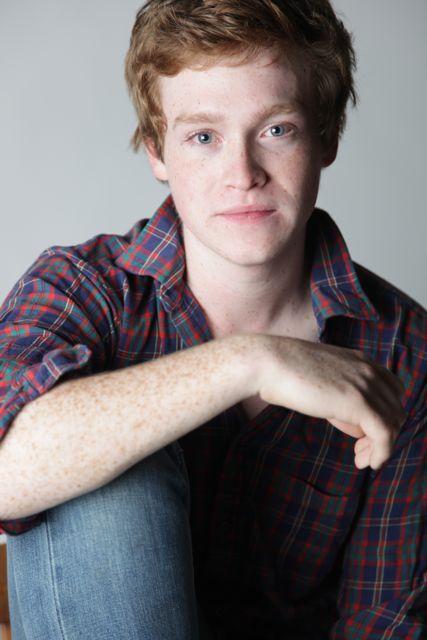
Harold Lauder- Caleb Landry Jones

Caleb_Landry_Jones

Aside from the big bad, Harold might be the most complex and challenging character in the whole novel. At sixteen, he finds himself one of the sole survivors of a superflu, turning him (in his mind, at least) from a high school loser into an action hero. His tragic trajectory requires someone who can convincingly pull off a teenage saddo as well as they can delve into the dark moral ambiguity of the character. Landry Jones is by far one of my favourite young actors working at the moment, and everything I’ve seen him in so far indicates that he could pull off this role without turning it into a good-boy-turned-bad fable.

Nick Andros- Ben Wishaw

wishaw1mj1809

While I consider Nick one of the dullest characters in the novel (too much of a hero in a book peppered with ambiguities), the role would need a great actor to inhabit it, as Nick is both dumb and deaf. There’s a frailty and kindness to the role that the puckish Wishaw could pull off no problem. Plus this kid needs more work. So I can look at him. And his lovely face.

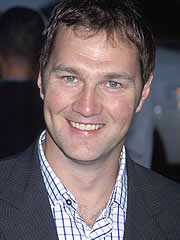
Stu Redman- David Morrissey

2352-davidmorrison1b

Stu is the de facto protagonist of The Stand, but also a pretty straight-down-the-line character- he’s a good guy with strong morals and the ability to bring people together under his leadership. I’ve always somewhat fancied the good Morissey for this role, as he’s old enough to bring the gravitas and charm without being too generic a “good cowboy” character.

Julie Lawry-Jennifer Lawrence

images (1)

Something about the craziness and sexiness required for this role screams Jennifer Lawrence to me. She’s got to seem unstable and a little bit scary, but at the same time attractive and cool. Yup, Lawrence all the way.

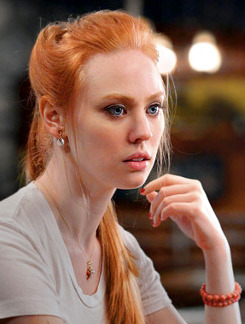
Fran Goldsmith- Deborah Ann Woll

deborah-ann-woll-2-sized

A no-brainer, really. One of the few significant female characters in the novel, Fran is too often seen as a slightly fluffy, overly feminine character, where she’s actually kind of an asskicker. Here, you’d need someone beautiful enough to play to high-school-hottie thing alongside a growing sense of cynicism and pragmatism. Woll has proved in her True Blood performance alone that she finds that roll stupidly easy. AND she needs a big-screen break.

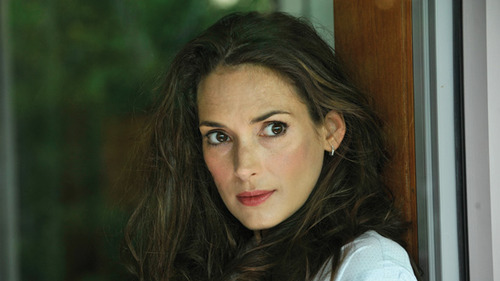
Nadine Cross- Winona Ryder

winona

When and why did we all forget Winona Ryder? I want a comeback, and specifically I want her playing Nadine Cross- doomed from the start, she’s got an ethereal and vaguely supernatural presence about her, as well as a penchant for manipulation. Ryder is just the right age for this now, and would bring some gravitas and smarts to the tricky role.

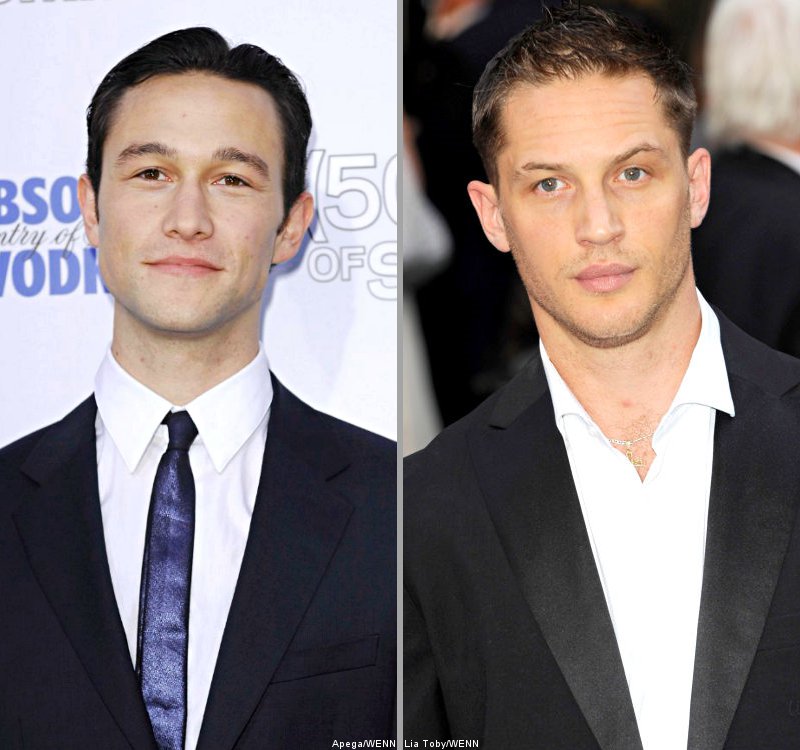
Lloyd and Poke- Tom Hardy and Joseph Gordon-Levitt

00038267

For some reason, I always think of these two in the same breath, much like the characters I’ve cast them as here. Poke, a sociopathic criminal mastermind, has to be convincingly charming and cruel, and who woudn’t love to see Levitt playing a cut-and-dry bad guy? Lloyd Henreid as Randy Flagg’s right-hand man and mass murderer, has to convey the notion that he could have turned out as nothing more than a petty thief if he’d made different choices, and the slightly thuggish Hardy does a great line in morally tortured characters.

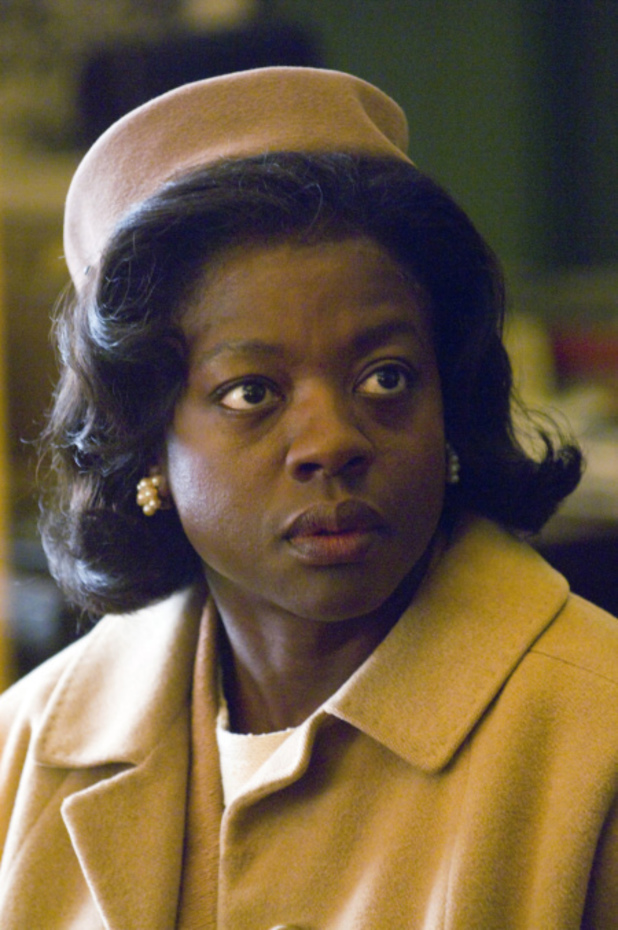
Mother Abigail-Viola Davis

movies-viola-davis-doubt

Because obviously. An insanely great role for an equally talented actress.

Tom Cullen- Ryan Kwanten

530416-ryan-kwanten

I have no real justification for this other than Ryan Kwanten played a brilliantly loveable, almost Shakesperean fool in True Blood, and I think that utter likeability and clear and strong sense of right and wrong might come in handy in a role that could easily come off as patronising.

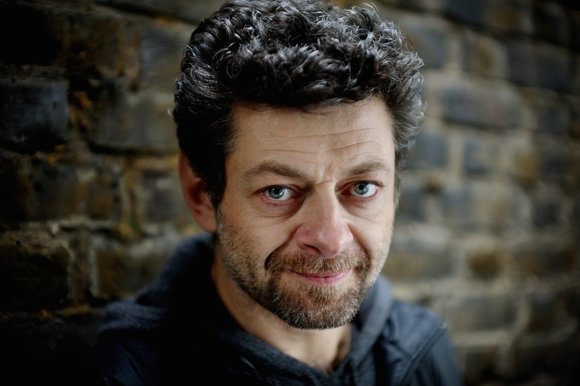
Trashcan Man-Andy Serkis

serkis

Who else but the supremely talented Serkis could play this, probably the singular most important character in the novel? A crazed, but not necesarily evil, arsonist who winds up bringing the book to it’s conclusion, Serkis has the acting chops and ability to totally get inside a character- see his performance as Ian Dury for proof. Chances are he’ll be acting through a lot of prosthetics towards his radiation-addled end too, which might suit the mo-cap hero quite well. Could you imagine anyone else dragging a nuclear weapon across the desert? Precisely.

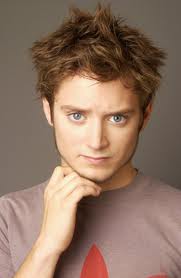
The Kid- Elijah Wood

images

A diminutive sociopath who might be the most straight-up evil character in the book? Hello, Elijah Wood, what have you been doing since Sin City? Wood has those boyish good looks mixed with the ability to bring discomforting psycopathy to his roles. I would kill to see him inhabit The Kid.

Randall Flagg- Michael Rooker

rooker

A hot debate rages between every fan of the book over who should play the iconic villain, a leading character across a number of King’s works, and I’m calling Rooker on you all. At his heart, Flagg should be scary. He should look like he’s carrying decades of evil with every step, but still somehow be convincingly attractive to potential followers. We know Rooker can do crazed and scary-better than almost any actor working today, in fact- but I’m convinced he could bring the thespy, quiet, and clever stuff to life. That manic energy-and ability to pull off a knife hand-wouldn’t go amiss either. Basically, this is an actor whose got the ability to make even the most insane characters seem real- who better for the ultimate bad guy?